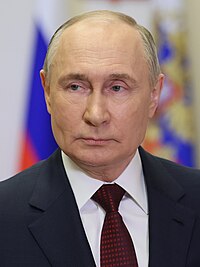
Vladimir Putin's anticipated September election victory removes the final domestic political constraint on sustained Russian military escalation in Ukraine, according to multiple analysts monitoring Kremlin decision-making. The election cycle consolidation coincides with a surge in Russian drone strikes, the seizure of major foreign assets including Nestlé's Russian operations, and coordinated infrastructure attacks targeting Ukrainian power systems and military logistics. The convergence signals a shift toward consolidating territorial control and strangling Ukrainian economic capacity rather than seeking negotiated settlement.
Russia's election timeline has historically constrained major military operations. With the September vote now concluded, Putin faces no domestic pressure to moderate escalation for the next five years, according to Reuters reporting on September 18. This removal of electoral constraints coincides with Ukrainian reports of a coordinated 72-hour drone bombardment targeting Russian energy and logistics facilities. Two military personnel were killed in what Kyiv described as the largest single drone attack on Russian territory in recent months, suggesting Ukraine is matching Russia's intensified operational tempo. The timing underscores the strategic shift: Putin is now free to pursue consolidation and attrition rather than a negotiated exit.
The asset seizure campaign reflects the same consolidation logic. Moscow's takeover of Nestlé's Russian business—announced by Russian state media on September 17—follows the broader pattern of nationalizing foreign-owned enterprises as punishment for Western sanctions compliance. Similar seizures have targeted BP's Russian assets, McDonald's operations, and banking entities. According to the Financial Times, the Nestlé move signals Kremlin intent to absorb hard-currency revenues and eliminate sanctions-imposed operational constraints on corporate entities inside Russia. This is not opportunistic looting; it is deliberate repositioning of the Russian economy toward war-sustaining financial autonomy.
To be sure, Ukraine's drone offensive represents a capability threshold that Kyiv claims deters deeper Russian penetration. However, Russian-controlled energy infrastructure in occupied Luhansk and Donetsk has grown increasingly interdependent, according to reporting from Nikkei Asia, creating vulnerabilities that underscore Moscow's fragile grip on consolidated territory. Power outages in Luhansk traced to Donetsk system failures reveal that Kremlin infrastructure integration is incomplete. NATO cohesion, meanwhile, is fragmenting predictably: Slovakia's premier warned on September 18 that Russia may conduct 'accidental' attacks on alliance territory, a framing that signals Moscow is testing NATO's actual tripwire tolerance rather than respecting the formal Article 5 threshold.
The strategic picture sharpens when NATO's response is set alongside the Trump administration's emerging defense framework. A $27 billion Saudi-Israeli arms package combined with a 14-nation maritime alliance for Red Sea deployment—confirmed by Defense News—indicates the United States is pivoting away from European land-war commitment and toward Middle Eastern energy corridor control. Denmark's acceleration of Ukraine aid following Russian warship provocations near Greenlandic waters suggests Nordic states are attempting to fill the commitment gap. But the signal is unmistakable: Washington is no longer willing to sustain an indefinite European attrition campaign. Putin's consolidation window is open precisely because Western alliance commitment is visibly tightening, not because Russian military superiority has emerged. The convergence of electoral freedom, asset control, and NATO retrenchment creates the conditions Putin required for sustained escalation—not victory, but the capacity to impose costs until the West redefines what it will accept.
This is why the election outcome matters more than its margin. The next phase of the conflict will not be determined by Ukraine's drone innovations or NATO's supply pipelines, but by whether Putin believes he can outlast Western commitment to indefinite support. The election removed his last domestic constraint. The question is whether the West will confirm his calculation.