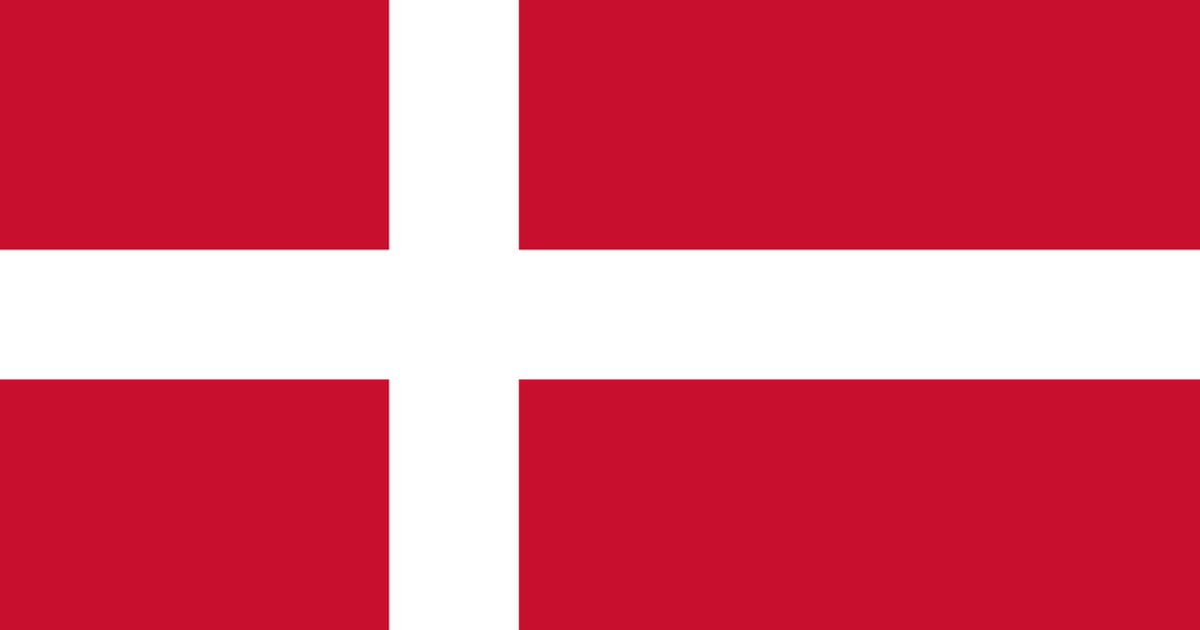
Denmark
INTELLIGENCE DOSSIER: DENMARK
Denmark is a Nordic constitutional monarchy and EU member state currently positioned as a vocal advocate for hardline immigration policy within European institutional frameworks. As a high-income economy with 5.9 million citizens, Denmark commands disproportionate influence through its EU voting power, NATO membership, and strategic location controlling Øresund Strait shipping corridors. Denmark's significance derives from its role as a bridge between Nordic, Continental European, and Atlantic security architectures, particularly as Arctic geopolitics intensify and US strategic posture shifts under the Trump administration.
Denmark tracks at rank 137 on the LeadersCartel Power Index with a composite score of 2.8, monitored across 84 active intelligence sources. The signal distribution reflects 0 high-impact signals, 2 emerging indicators, and 0 watch-level alerts, positioning Denmark in the monitored tier rather than elevated alert status. This moderate ranking reflects stable but constrained regional influence. Denmark's power position remains stable rather than declining, sustained primarily through EU institutional participation and NATO alignment rather than independent geopolitical agency. The limited signal concentration suggests Danish positioning remains secondary to core EU power centers and primary NATO actors.
Recent developments reveal Denmark asserting migration policy leadership: Danish officials publicly urged EU leaders to adopt hardened stances on irregular migration while simultaneously urging scrutiny of Spain's proposed legalization of 600,000 migrants. This dual posture—restrictionist rhetoric paired with institutional EU engagement—appears coordinated with Poland and Italy, forming a restrictionist coalition within Brussels. Separately, Denmark confronts American strategic expansion in Greenland, with analysis suggesting Trump administration base-acquisition proposals challenge Danish sovereignty claims over Arctic territories, creating potential NATO-EU friction points.
Analysts should monitor Danish-US negotiations regarding Greenland over the next 72 hours. Specifically track whether Denmark initiates formal EU collective response mechanisms or opts for bilateral NATO-channel resolution. The critical trigger event: any public statement from Danish government either accepting or explicitly rejecting American military infrastructure proposals in Greenland would signal broader European strategic realignment regarding Arctic sovereignty and transatlantic relations.