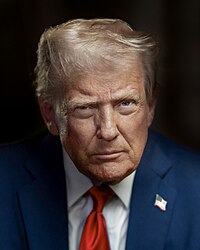
The United States deployed a new aircraft carrier to the Persian Gulf on September 27 as the Trump administration publicly rejected negotiations over sanctions relief for Iran, according to reporting from Al Jazeera and Reuters. The moves signal a closing of diplomatic channels even as Tehran escalates threats to block the Strait of Hormuz and seizes regional vessels. The dual thrust — military presence and negotiating rejection — narrows the space for de-escalation and raises the probability of direct naval confrontation.
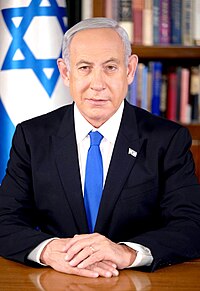
Trump's explicit denial of prior sanctions-relief offers represents a doctrinal hardening from even his first term. According to RT and confirmed by multiple outlets on September 27, the president called earlier reports of diplomatic overtures a 'hoax,' signaling that the administration has abandoned any pretense of negotiating a nuclear compromise. This stance strengthens alignment with Israeli security interests, which Netanyahu has consistently anchored in maximal pressure rather than deal-making. The effect is to lock the US into an enforcement-first posture for the coming months, eliminating a fallback option should regional escalation accelerate.
Iran's response has been to expand operational pressure on Gulf shipping and energy flows. Al-Monitor reported on September 26 that Tehran has accelerated vessel seizures and renewed explicit threats to close Hormuz, a chokepoint through which roughly 21 percent of global crude passes annually. The timing coordinates with the US carrier deployment, creating a direct test of deterrence. Neither side has signaled willingness to stand down, and both have publicly ruled out the negotiated off-ramp that might otherwise arrest escalation.
The United Kingdom and Israel have aligned their diplomatic posture with Washington's hardline stance. According to Defense News reporting, both nations have quietly reinforced their own Gulf presence and signaled support for the carrier deployment. To be sure, Tehran has framed its Hormuz threats as responses to prior Western sanctions and what officials describe as targeted assassinations of Iranian officials — a position that shapes Iranian domestic politics even if it does not alter the military calculus. The result is a tightening of strategic alignment among three key actors: the US, Israel, and the UK are now operating from a shared assumption that military presence and enforcement pressure will precede any diplomatic window.
What has shifted is not the scale of military capacity but the elimination of negotiating space. The carrier deployment and Trump's public rejection of sanctions talks remove the diplomatic buffer that has historically allowed both sides to manage escalation without direct engagement. Energy markets have priced this reality: natural gas futures surged 4.17 percent and Brent crude rose 1.64 percent, reflecting market belief that Hormuz closure risk has risen materially. The signal to regional actors is now unambiguous: the US intends to enforce its will through naval presence and economic isolation rather than through negotiated settlements.