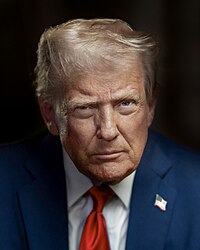
Donald Trump
INTELLIGENCE DOSSIER: DONALD TRUMP
Classification: Leadership Analysis | LeadersCartel Index
Donald Trump is the 47th President of the United States, currently serving his second non-consecutive term following his January 20, 2025 inauguration. He commands the world's largest military apparatus and controls approximately 25 percent of global economic output, positioning the United States at the nexus of geopolitical decision-making. Trump's strategic significance derives from his authority over NATO alliance structures, dollar-denominated financial systems, and nuclear arsenals, while his governance philosophy emphasizes transactional bilateralism and energy independence, fundamentally reshaping traditional alliance frameworks established during the post-Cold War era.
Trump's LeadersCartel Power Index ranking of 5 with a score of 49.7 reflects his consolidated domestic authority despite ongoing international complexity. Across 2466 active intelligence sources, his signal distribution (8H/12E/0W) indicates sustained high-impact messaging coupled with emerging policy signals requiring monitoring. His stable positioning within the top-five leadership tier reflects consistent executive capacity, though the emerging signal prevalence suggests ongoing policy volatility typical of his administration's decision-making patterns. This monitored-tier classification tracks his influence across economic, military, and diplomatic domains simultaneously.
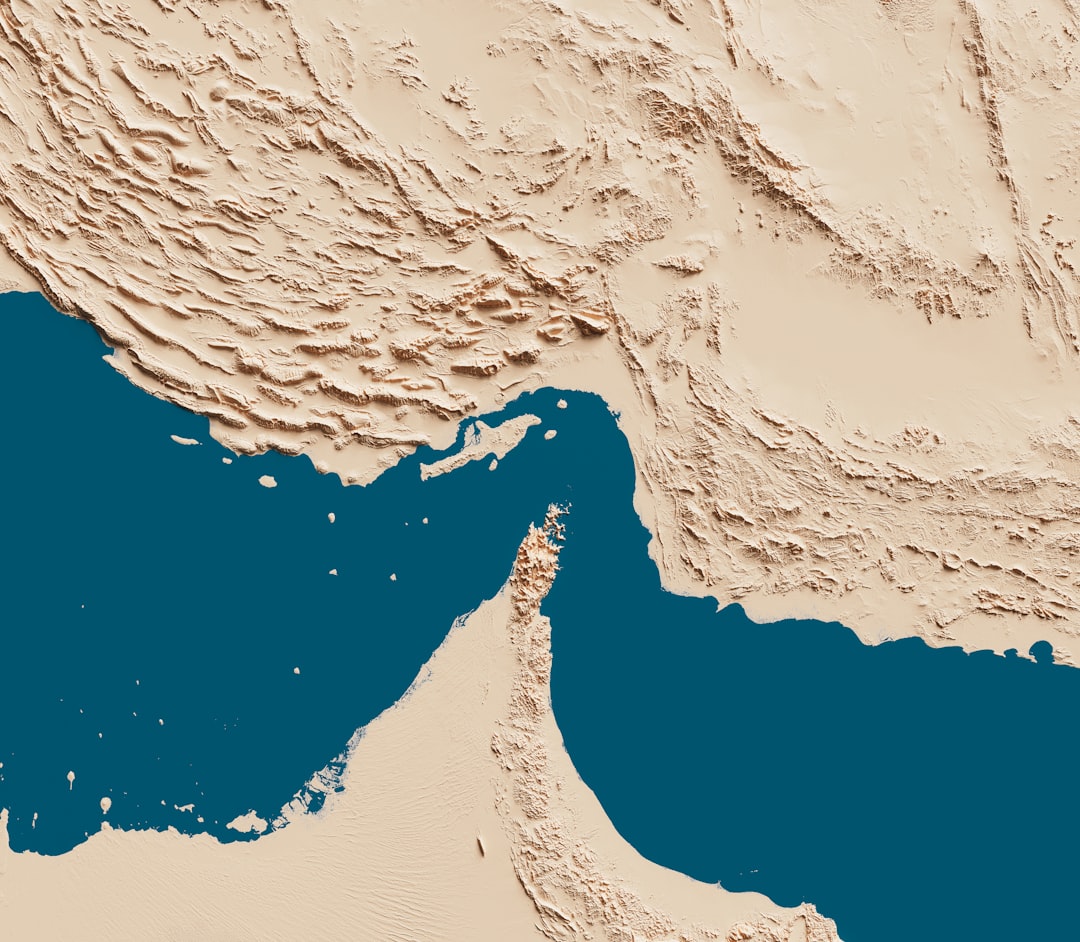
Current developments demonstrate escalating energy-geopolitical maneuvering. EU diplomatic statements characterize recent Russian diesel transactions as strategic concessions to Moscow, signaling Trump administration tolerance for Russian sanctions circumvention. Concurrent messaging regarding potential kinetic operations against Iran, specifically invocation of advanced ordnance capabilities, indicates preparation for Middle Eastern escalation. These headlines collectively suggest Trump administration prioritization of energy markets and regional power projection over traditional alliance cohesion.
Analysts should monitor Trump-Putin communications for energy cooperation agreements and Iranian military posturing for indicators of imminent conflict. The critical 72-hour trigger event remains whether Trump authorizes explicit military authorization against Iranian nuclear facilities, which would fundamentally realign Middle Eastern strategic positioning and potentially fracture remaining Atlantic alliance coordination.