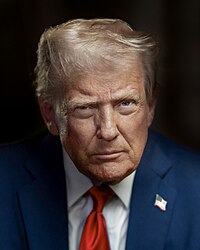
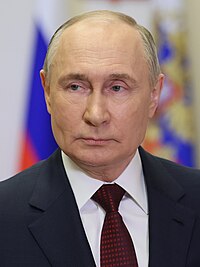
Donald Trump and Vladimir Putin held a lengthy call yesterday during which the Kremlin relayed a military proposal regarding Iran, according to Russian state media. The exchange underscores an emerging alignment between Washington and Moscow on Middle East strategy that has begun to displace longstanding US commitments in Eastern Europe. Trump subsequently called for new Ukrainian leadership, signaling a potential shift in US negotiating priorities away from Kyiv's interests.
Kremlin spokesperson Dmitry Peskov described the conversation as 'very friendly' and emphasized that neither leader wanted to end the call, according to Reuters reporting on October 9. The specifics of the Iran proposal remain undisclosed, but the public framing of cordial engagement marks a departure from the prior administration's posture and suggests the two capitals are testing coordination on regional security questions. This alignment is not incidental: it follows announcements of US-Russia diesel trade agreements that several Republican lawmakers have begun to resist, indicating fractures in Trump's own coalition on Russia strategy.
The shift carries immediate consequences for Ukraine. Trump's public call for Zelenskyy's replacement, tied to negotiations over fuel supply agreements between the US and Russia, signals a narrowing of US diplomatic space for Kyiv's position. Al Jazeera reported on October 9 that the diesel deal was conditioned partly on Ukraine leadership changes, a framing that subordinates Ukrainian sovereignty to energy and commercial calculations. Zelenskyy has not responded publicly, but the timing suggests Ukrainian officials are bracing for further pressure.
To be sure, White House officials frame the engagement as tactical negotiation rather than a strategic reorientation, maintaining that US support for Ukraine remains conditioned on progress toward a settlement. Yet the public coupling of energy deals to leadership demands signals a different operating principle: that Moscow's cooperation on Middle East questions—particularly regarding Iran—now carries greater weight in Trump's decision matrix than the continuity of Ukrainian leadership. This recalibration is emerging across multiple domains simultaneously.
The broader implication is that US regional strategy is fragmenting along new lines. Iran containment, Ukrainian security, and energy imports are no longer being treated as linked commitments but as separate negotiating tracks where Washington is willing to trade concessions in one domain for gains in another. Russia's willingness to engage on this basis suggests Moscow has assessed that the cost of cooperation is lower under Trump than under prior administrations. The result is a narrower negotiating space for all actors who depend on US security guarantees, particularly those without energy leverage.