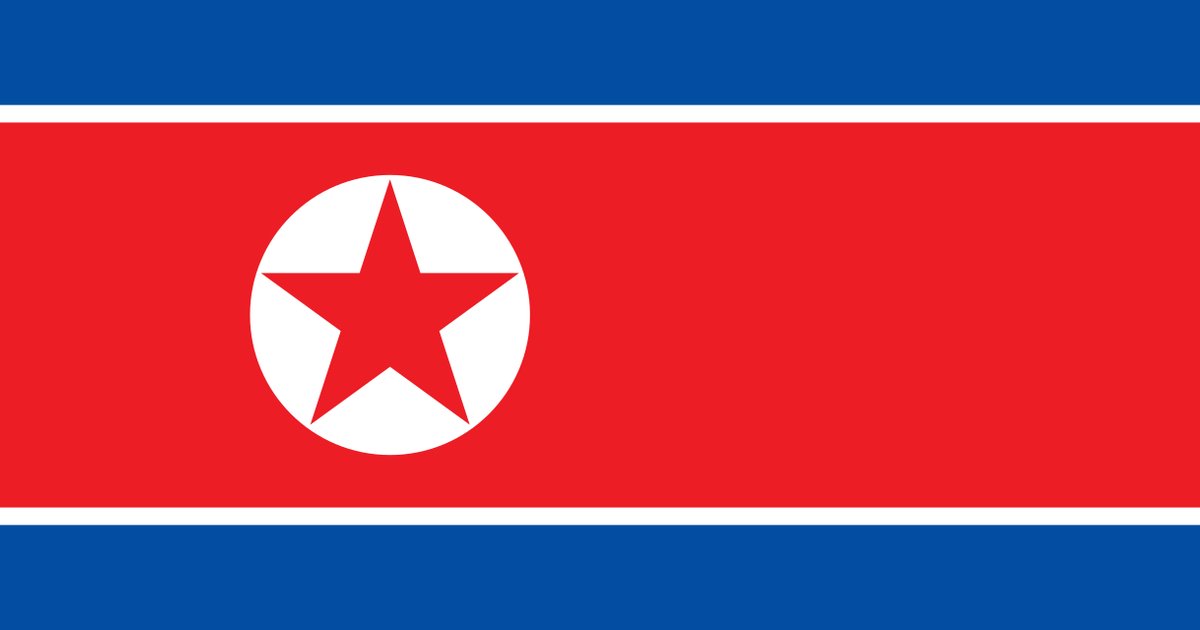
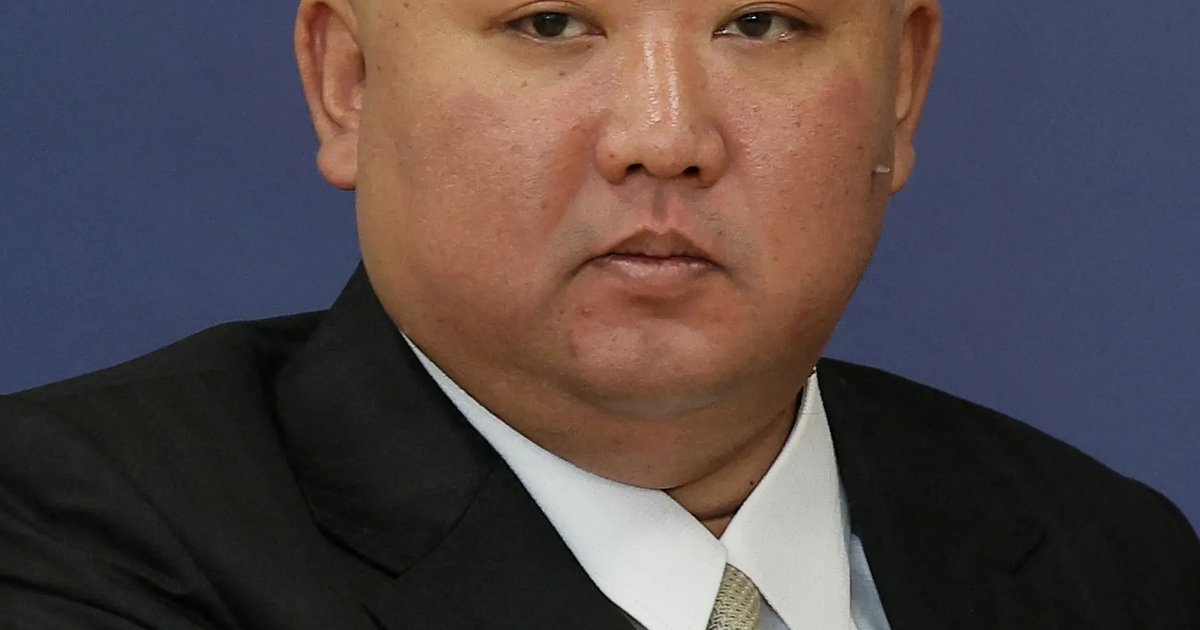
North Korea escalated rhetoric against the United States over Taiwan on October 6 while pledging deeper military coordination with Russia, according to reporting from Bloomberg and Reuters. The dual messaging — public warning on Taiwan paired with defense commitments to Moscow — marks the sharpest signal yet of coordinated pressure on US strategic position in Asia and Europe. The move comes as Ukraine faces mounting fiscal strain and peace negotiations appear stalled.
Kim Jong Un's government framed its Taiwan statement as a response to what Pyongyang characterized as US provocations, first reported by Nikkei Asia on October 5. The rhetoric hardened precisely as North Korean delegations were finalizing military supply arrangements with Russian counterparts in Moscow, according to multiple defense analysts cited by Reuters. The synchronization suggests deliberate coordination rather than independent signaling — a pattern that has intensified since the Ukraine war began. The calculus appears to be testing whether Washington can credibly maintain deterrence on two fronts simultaneously.
Russia has formally welcomed North Korean military support, with Defense Ministry statements acknowledging incoming weapons supplies and troop rotations to support operations in Ukraine, according to TASS reporting on October 6. Moscow has framed the arrangement as a natural alliance response to what officials describe as Western escalation, a position that mirrors Pyongyang's own framing of the Taiwan messaging. The deepening defense relationship offers Russia relief on manpower and logistics precisely as European NATO members accelerate arms sales — a dynamic that suggests the axis is not reacting defensively but testing American capacity to respond across theaters.
Ukraine's position has meanwhile weakened materially. Kyiv's National Bank reported a $450 million debt payment in September amid ongoing fiscal strain, according to Financial Times reporting on the debt crisis. The payment depletes reserves at a moment when peace negotiations remain stalled and Ukraine's negotiating leverage has narrowed. For its part, Moscow has framed the North Korean coordination as defensive necessity, a position Ukrainian and Western officials contest vigorously. The effect is to narrow the window in which Ukraine can negotiate from strength — a second-order consequence of the Asia-Europe axis coordination that may prove more consequential than the military hardware itself.
The strategic reading is stark: the US faces an explicit test of its ability to deter two major powers across geographically separated theaters while managing alliance commitments and domestic political pressure. The Taiwan warning is not an isolated escalation but a coordinated probe designed to fragment American focus and resources. If Washington responds decisively on Taiwan, it signals reduced capacity for Ukraine support. If it maintains Ukraine commitment, it signals tolerance for North Korean-backed pressure on Taiwan. The axis has weaponized this dilemma. What matters now is not whether the US will face one crisis or the other, but whether it will demonstrate credible capability to address both — or whether the coordination itself becomes the constraint.