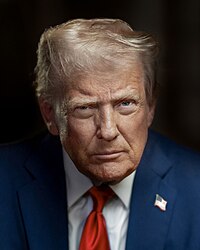
Russian energy firm Novatek has secured funding for a US liquefied natural gas project despite ongoing sanctions pressures, according to reporting on October 23. The investment marks a continued entanglement between American energy developers and Moscow's capital markets. The move comes as Donald Trump signals potential military action against Iran, creating a stark contrast between deepening Russia-US commercial ties and heightened regional military posturing.
The LNG project funding represents a deliberate choice by the Trump administration to permit Russian capital flows into American energy infrastructure at a moment when US policy toward Tehran is hardening. According to Bloomberg reporting, Novatek's involvement signals that energy sector exemptions from sanctions remain negotiable between Washington and Moscow. The decision prioritizes commercial stability over alliance coherence—a positioning that weakens US negotiating leverage should Russia face pressure from future administrations or Congress.
Multiple outlets reported on October 23 that the arrangement faces no immediate regulatory challenge, suggesting tacit acceptance within the Trump administration. The structure echoes prior energy deals that compartmentalized geopolitical tension from commercial opportunity. What distinguishes this case is its timing: as US military rhetoric toward Iran intensifies, capital flows toward Russia accelerate, creating a bifurcated US posture that confuses adversaries and allies alike.
Markets read the development as a signal of reduced sanctions enforcement velocity. Brent crude settled flat on the session, suggesting traders view US-Russia energy cooperation as offsetting any supply-side risks from Iranian confrontation. That pricing reflects a judgment about US strategic priorities: energy market stability, not regional containment.
The deeper implication is institutional: the Trump administration is signaling that commercial relationships with Russia operate on a separate track from military posturing toward Iran. This represents a reversion to pre-2022 strategic compartmentalization. For Moscow, the message is clear—sanctions are leverage, not principle. For Beijing and New Delhi, watching the US negotiate energy deals with Russia while threatening Iran, the lesson is that Washington's alliance architecture is transaction-specific, not foundational. That realignment, more than any single LNG deal, is what reshapes the global balance of commitment.