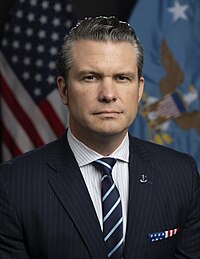
Qatar's prime minister is briefing G7 and Saudi leadership this week on nascent Iran peace talks brokered through Trump administration channels, according to Reuters reporting on November 9. The outreach signals potential momentum in US-led regional de-escalation, even as Pentagon leadership crisis threatens to undermine American negotiating leverage. Defense Secretary nominee Pete Hegseth survived an impeachment attempt in the House, but the fracture within Republican ranks on military doctrine has left Washington's regional posture uncertain.
The Qatar initiative marks the most coordinated multilateral effort to address Iran tensions since Trump took office. According to Al-Monitor, the briefing will include Saudi Arabia's de facto regional role and signal potential sanctions relief pathways if negotiations advance. The timing is deliberate: Qatar has positioned itself as the lone credible mediator between Washington and Tehran, leveraging its diplomatic channels built during prior nuclear talks. That role now extends to brokering confidence-building measures with neighboring states, a shift that suggests Washington sees diplomatic settlement as preferable to the military escalation rhetoric that dominated Trump's 2024 campaign messaging.
Hegseth's survival of the impeachment motion, led by Rep. Thomas Massie over allegations of past conduct and Iran war doctrine, came as the House Republicans blocked the effort on November 8. The defense chief defended his position on military readiness and potential Iran escalation, framing the push as a 'farce,' per The Hindu. Yet the vote exposed fractures within the GOP on what Pentagon leadership should prioritize: Massie's faction wanted a civilian hardliner; Hegseth retained backing from mainstream Republican defense hawks. This internal conflict signals that US military planning on Iran remains contested terrain, even within the administration.
To be sure, Hegseth and his allies maintain that Pentagon doctrine on Iran deterrence remains unchanged—readiness without provocation. Yet the coalition weakness matters for diplomacy. Qatar's mediators require assurance that US negotiating positions hold across the Pentagon, State Department, and the Oval Office. Massie's challenge, though unsuccessful, broadcast that the administration's Iran messaging lacks unified discipline. Al Jazeera reported that regional actors—particularly Saudi Arabia and Israel—are watching Pentagon coherence closely before committing to any negotiated framework. If US military leadership appears split, it weakens the credibility of any sanctions rollback or military-restraint pledges.
The convergence of these two tracks—Qatar's diplomatic push and Washington's internal Pentagon struggle—reveals the fragility of any Iran settlement. Diplomatic breakthroughs require US military posture clarity; yet that clarity is now contingent on Hegseth maintaining control of the Pentagon amid ongoing scrutiny. France and Israel, both central to any multilateral Iran framework, have signaled they will await confirmation that US commitments will hold beyond the current administration's first crisis. The result is a narrowed window: if Qatar's talks generate momentum in the next 48-72 hours, Washington must rapidly consolidate Pentagon messaging or risk appearing as a negotiating partner whose commitments carry no institutional weight.