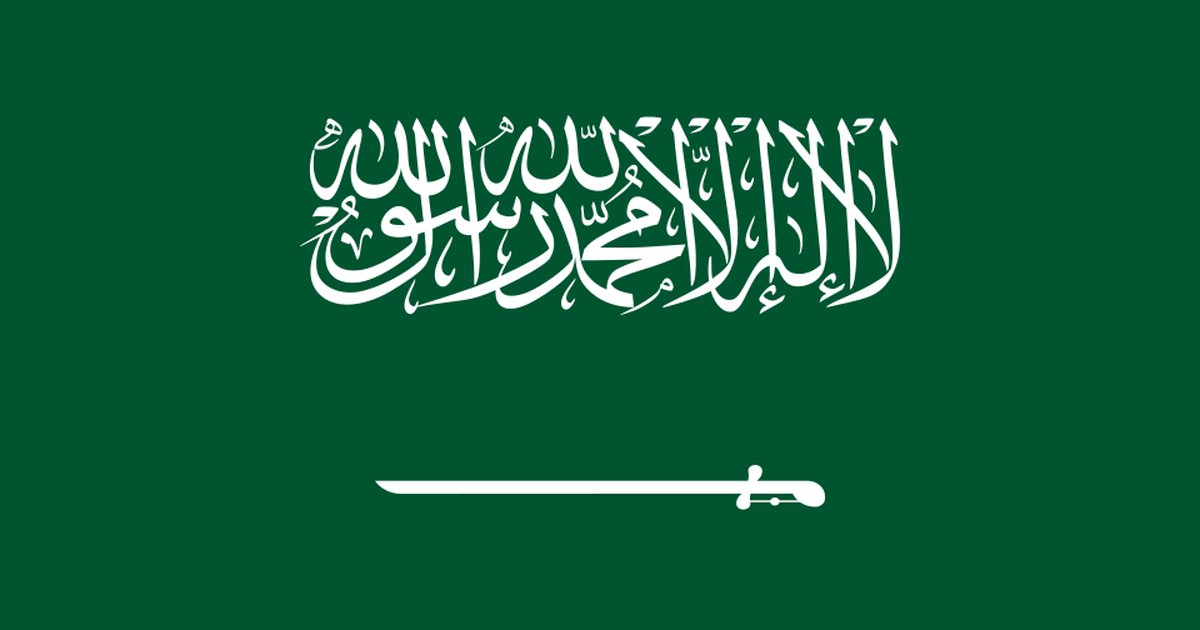
Saudi Arabia
INTELLIGENCE DOSSIER: SAUDI ARABIA
Classification: Monitored Analysis | Confidence: High
Saudi Arabia is the Kingdom of Saudi Arabia, a sovereign nation-state and de facto leader of the Gulf Cooperation Council with extraordinary geopolitical leverage as the world's second-largest proven oil reserves holder and OPEC's dominant producer. The kingdom functions as a critical economic stabilizer for global energy markets, a major regional military power, and an increasingly active geopolitical actor balancing relationships between the United States under President Trump, China under Xi Jinping, and Russia under Putin. Saudi Arabia's strategic significance derives from its capacity to influence global oil pricing, its substantial foreign direct investment portfolios, and its role as a counterweight to Iranian regional hegemony. Domestically, Vision 2030 initiatives underscore economic diversification ambitions that extend beyond hydrocarbon dependency.
Saudi Arabia maintains rank 19 on the LeadersCartel Power Index with a composite score of 18.7, tracked across 2594 active intelligence sources with a signal distribution marked as 7 high-impact, 13 emerging, and 0 watch-level alerts. This monitored-tier classification reflects moderate volatility in their strategic position relative to historical baselines. The seven high-impact signals predominantly correlate with energy market disruptions and regional security developments, while 13 emerging signals track diplomatic positioning shifts and economic policy announcements. The absence of watch-level degradation indicates no imminent systemic collapse, though the score trajectory suggests incremental pressure on their previously dominant global standing.
Three critical developments emerged this reporting cycle. The IMF formally warned of worldwide economic fallout as attacks on Saudi Arabian infrastructure escalated, signaling material threats to supply chain stability and triggering immediate recalibration of global risk assessments. Simultaneously, IMF analysis confirmed Gulf economies will not return to pre-war growth projections previously forecast, implying sustained macroeconomic headwinds affecting Saudi Arabia's fiscal planning and Vision 2030 timelines. Australia, New Zealand, and Japan issued coordinated fresh travel alerts for Saudi Arabia, reflecting synchronized intelligence assessments of deteriorating security conditions and signaling reduced confidence in regional stability assurances.
Analysts should monitor the direct correlation between infrastructure attack frequency and downstream energy price volatility over the next 72 hours, as markets rec