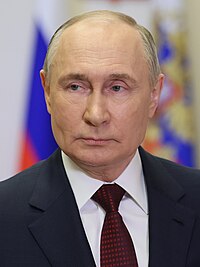
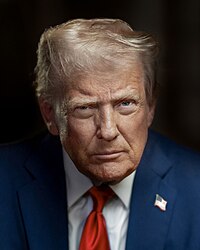
Russia is moving to convene trilateral talks with the United States and China, seeking a unified statement that would formalize coordination among the three powers on global affairs. The push reflects Putin's calculation that Trump's return to office opens a window for restructuring great-power competition away from the bilateral standoffs of the Biden years. The timing signals Moscow's belief that it can leverage the new administration's transactional approach to reduce isolation over Ukraine and Iran policy.
Russia has signaled through official channels that it views trilateral coordination with the US and China as preferable to the current state of competing bilateral relationships, according to Kremlin statements reported by Reuters on November 14. The proposal aims to establish a framework for joint decision-making on regional conflicts, sanctions regimes, and technology governance. Putin's move reflects a strategic calculation: that engaging Trump directly, rather than through Beijing or other intermediaries, offers the fastest path to sanctions relief and recognition of Russian interests in Ukraine's future. The overture also signals Moscow's concern that a US-China bilateral arrangement might exclude Russian leverage entirely.
The proposal arrives as Russia simultaneously deepens ties with Vietnam and other non-Western partners, a diversification strategy Kremlin officials described to Nikkei Asia as insurance against over-reliance on China. This parallel effort to strengthen the Russia-Vietnam economic relationship suggests Putin sees value in preventing any single great power from capturing Russian foreign policy. For his part, Trump has not yet publicly responded to the trilateral proposal, though White House officials told Bloomberg that the administration is reviewing the request without commitment.
To be sure, Russia has historically proposed multilateral frameworks as a way to legitimize its sphere of influence; the US and Western allies have consistently rejected such arrangements as attempts to carve up regions of client states. The current proposal may face similar resistance, particularly from Europe and from US officials focused on maintaining alliance cohesion. Yet the fact that Moscow is opening this channel at all, rather than waiting for Washington to initiate, reflects a shift in posture: Russia is signaling that it will negotiate on Trump's terms rather than demand preconditions.
The strategic significance lies in what trilateral talks would signal to allies and adversaries alike. If Trump entertained such talks, it would demonstrate a willingness to decouple US-China competition from US-Russia confrontation—a departure from the unified Western stance on Moscow maintained under Biden. Ukraine's position would immediately weaken; Kyiv has relied on US backing to resist Russian territorial demands. Conversely, China would gain validation that the US views Beijing as a negotiating partner on par with traditional Western allies. The talks have not been scheduled, but their proposal marks a moment when Russia believes it can reshape the architecture of US foreign policy from within.
What makes this significant is not the proposal itself—Russia has made similar overtures before—but the timing and Trump's receptiveness. The administration has signaled openness to renegotiating existing alliances and trading relationships. If trilateral coordination gains traction, it would amount to the most consequential realignment of great-power relations since the Cold War ended. The outcome will hinge on whether Trump sees transactional benefit in bypassing traditional Western allies, or whether his national security team persuades him that the costs to NATO cohesion outweigh any short-term gains.