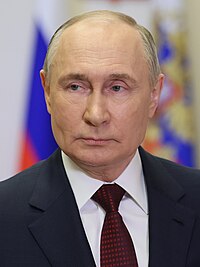
Russian missiles struck Kyiv's bridge infrastructure on November 20 as fresh details emerged from Trump administration negotiations in Abu Dhabi, where NATO enlargement has surfaced as the core obstacle to a Russia-US settlement. The simultaneous military escalation and diplomatic positioning suggest a deteriorating window for de-escalation on Trump's terms. Concurrently, missiles landed in Polish territory, raising direct NATO-Russia proximity risks not seen at this intensity since early 2022.
According to Politico reporting on November 20, US officials involved in the Abu Dhabi talks identified NATO expansion as the primary sticking point between Trump administration negotiators and Russian interlocutors. The focus on NATO membership—rather than Ukrainian security arrangements or territorial disputes—signals a potential shift away from frameworks that would preserve Kyiv's alliance trajectory. This positioning contradicts Ukraine's stated security interests, which center on NATO accession as a deterrent against future Russian intervention. The strategic implication is sharp: Trump's negotiating leverage appears premised on constraining NATO rather than constraining Russia.
Russia's renewed barrage on Kyiv's critical infrastructure, reported by Reuters on November 20, damaged multiple bridge crossings needed for Ukrainian logistics and civilian movement. The timing of intensified strikes during active negotiations is consistent with Moscow's pattern of combining military pressure with diplomatic engagement. Defense News quoted NATO officials on November 21 confirming that Polish territory was struck, though Polish defense ministry statements characterized the incidents as stray ordnance rather than deliberate targeting. The ambiguity surrounding Polish strikes underscores how thin the buffer between Ukraine conflict and direct NATO involvement has become.
India and Japan's formalization of economic security partnership, documented by multiple outlets across November 19-20, represents a parallel strategic move that narrows Trump's negotiating space in a different direction. The Quad framework's tightening supply-chain resilience against China has not displaced Trump's focus on Russia-Ukraine settlement, but it does signal that US allies are hedging against an American-led retrenchment in security commitments. To be sure, Trump administration officials maintain that disciplined negotiation reflects strategic clarity rather than retreat, arguing that constraining NATO expansion reduces long-term flashpoint risk. The counter-narrative does not shift the underlying calculus: credible allies are building alternatives.
The convergence of three movements—negotiation narrowing around NATO, military escalation on the ground, and strategic alliance-building elsewhere—reveals a fundamental tension in Trump's posture. If NATO enlargement becomes non-negotiable for Putin (as Abu Dhabi signals suggest), and if Ukraine membership in NATO remains central to Kyiv's negotiating mandate, then the terms of settlement have not contracted toward compromise but toward one side's maximalist demand. The missiles landing in Poland are not incidental to this dynamic; they are a signal that Moscow retains the ability to escalate faster than diplomacy can de-escalate. For Trump's negotiating frame to hold, one of these three vectors must shift. So far, none has.