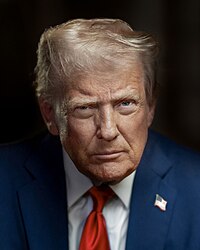
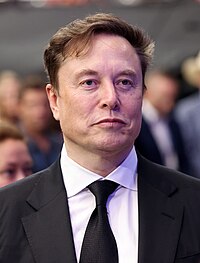
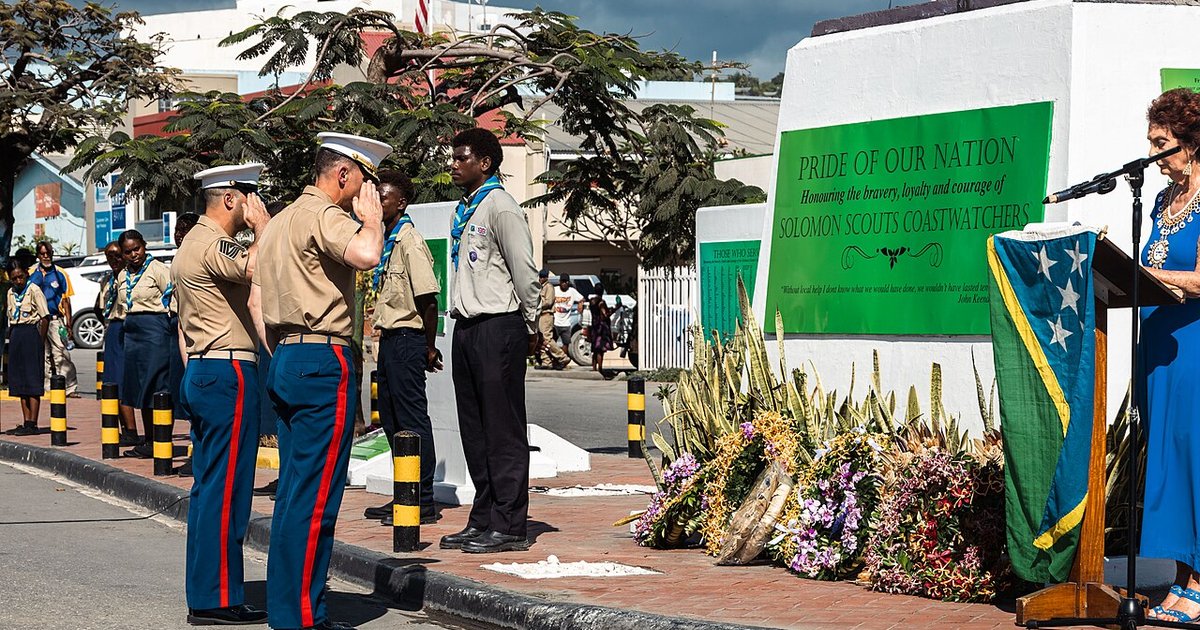
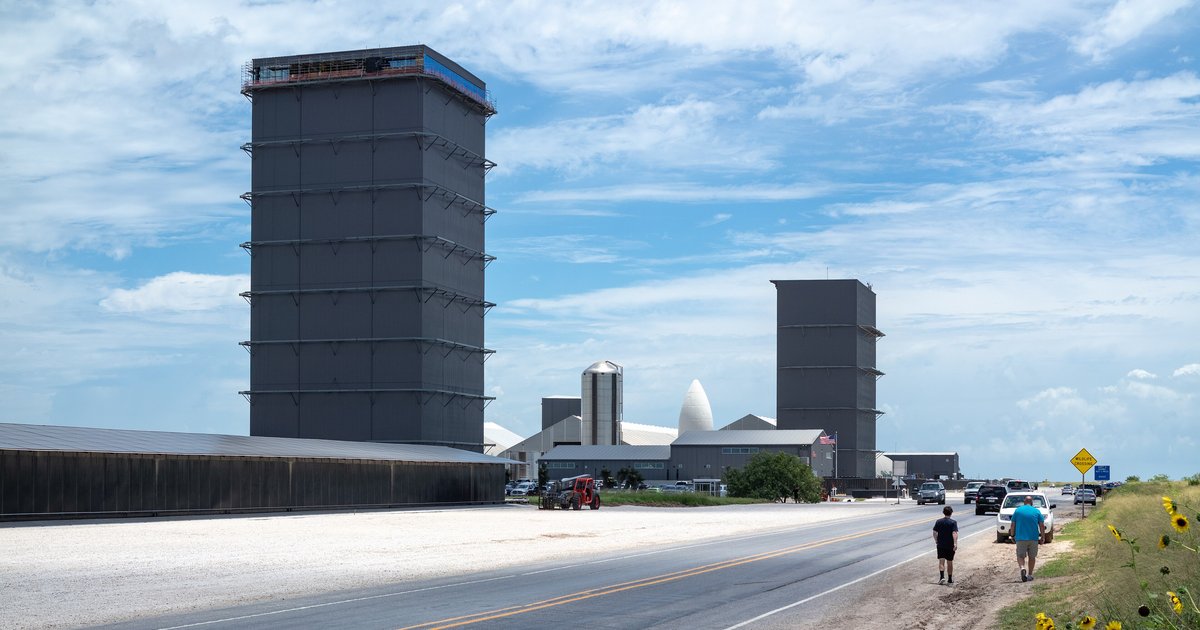
Elon Musk announced plans to distribute SpaceX equity to US children as part of the Trump administration's tariff strategy, according to reporting on November 24. The move coincides with the Solomon Islands formally solidifying Australia as its primary security partner, shifting away from Chinese alignment. Together, these developments reveal a narrower, more concentrated US strategic posture: private-sector control over critical defense infrastructure paired with selective, alliance-based Indo-Pacific positioning.
The SpaceX equity announcement operates as domestic political consolidation with direct implications for US space-sector policy. Musk has emerged as the central node in Trump's defense-industrial strategy, consolidating control over satellite infrastructure, AI compute buildout, and launch capacity under a framework that blurs private commercial interest with national security planning, according to defense analysts cited by Defense News on November 23. The tariff regime, designed to reshape the tech supply chain, now explicitly extends to space sector policy—signaling that asset distribution and regulatory favor flow together.
In the Indo-Pacific, the Solomon Islands' decision to formally prioritize Australia as a security partner marks a consolidation of Quad-aligned regional architecture. Narendra Modi and Donald Trump have jointly emphasized Indo-Pacific realignment as a counterweight to Chinese expansion, and the Solomon Islands move operationalizes that framework through bilateral security deepening rather than multilateral consensus-building, according to Nikkei Asia reporting on November 24. This signals a shift from inclusive regional architecture toward bilateral, hub-and-spoke partnerships anchored by aligned capitals.
To be sure, the Trump administration frames these moves as restoration of American leadership and enforcement of rules-based order. Officials maintain the tariff regime reflects economic nationalism in service of domestic manufacturing, not weaponization of tech assets. Yet the convergence is analytically sharp: private-sector control of critical defense infrastructure, combined with bilateral rather than multilateral regional partnerships, narrows the nodes of decision-making and concentrates strategic authority in fewer hands—a posture that depends heavily on alliance partner compliance and reduces buffer institutions.
The strategic implication is a tighter, more hierarchical alignment structure. The US is not building broader Indo-Pacific coalitions; it is deepening bilateral ties with aligned states while leveraging private-sector dominance over space, AI, and satellite infrastructure to enforce policy at the technology layer. The Solomon Islands shift reinforces this reading: Australia, not China, becomes the primary security node in the Pacific—a bilateral relationship, not a regional one. Musk's role amplifies the pattern: defense-industrial integration now operates through a single commercial actor with direct policy access, rather than through institutionalized military procurement processes.
This architecture carries a structural vulnerability. It depends on sustained Musk-Trump alignment and on regional partners accepting bilateral hierarchy over multilateral voice. The CIA intelligence breach, exposed November 24 and compromising US operational planning globally, underscores the risk of concentrated decision-making: when strategic authority narrows, single-point failures cascade. China and Russia are observing this consolidation as a window for alliance-building among excluded regional actors—precisely the opening now visible in Russia-Brunei partnership talks and Iran's energy-price leverage over Europe.