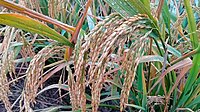
Rice
RICE COMMODITY INTELLIGENCE BRIEF
Rice represents a critical global food security commodity ranking 30th on the LeadersCartel Power Index with a monitored tier classification. As a staple sustaining over half the world's population, rice supply dynamics directly influence geopolitical stability, particularly across Asia where price volatility triggers social unrest and policy intervention. Current global significance stems from climate pressures on production, competing demand from biofuel sectors, and its role as a strategic reserve asset for major powers including India and China.
Intelligence tracking across 1157 sources indicates rice maintains a score of 4.8 within the monitored tier, characterized by 5 high-impact signals, 2 emerging indicators, and sustained watch-level activity. The commodity's position reflects stable but increasingly pressurized market conditions rather than acute volatility. Signal distribution suggests moderate systematic risk concentration, with primary drivers rooted in production constraints and policy responses rather than speculative positioning. The tracked signal pattern indicates authorities actively managing supply-side challenges through interventionist measures.
Three critical developments emerged this reporting cycle. The US Postal Service pension contribution suspension signals broader domestic fiscal strain that historically correlates with commodity market disruption and reduced purchasing power for developing nations dependent on American grain assistance. LPG cylinder price adjustments on April 6th indicate energy cost pressures cascading through agricultural input chains, directly impacting rice production economics in South Asia. Oil price declines driven by renewed peace negotiations suggest temporary relief for transportation and fertilizer costs, providing short-term margin expansion for producers.
Monitor the 48-72 hour period for India's export policy announcements, which typically follow commodity price movements. The primary trigger event to watch involves any official statements regarding strategic rice reserves from India or China, which would signal whether governments anticipate supply-side deterioration. Additionally, track energy commodity futures tracking against agricultural input costs.