The dominant narrative threading today's intelligence signals reveals a critical structural failure in the US-Iran ceasefire framework: the explicit exclusion of Lebanon from negotiating terms, confirmed by VP JD Vance (score: 0.79), is functionally creating a two-tiered conflict zone. While Iran and the United States achieved a diplomatic pause, the omission has left Hezbollah and Lebanese civilians exposed to ongoing Israeli strikes—accumulating 500+ casualties since ceasefire inception according to UN-tracked data (score: 0.83). This is not diplomatic compromise; it is weaponized partition that transforms Lebanon into a pressure point for regional powers to contest the durability of the broader agreement.
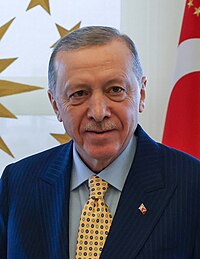
Emmanuel Macron and Recep Tayyip Erdogan's joint call for Lebanon inclusion (score: 0.94) represents the first significant fracture in the Western consensus backing the US-negotiated framework. France and Turkey, NATO's geographic anchors in the Mediterranean and Eastern Mediterranean respectively, are publicly contradicting the architecture of American diplomacy. This alignment signals that European capitals view the Lebanon exclusion as illegitimate and unsustainable—creating diplomatic space for Iran to exploit allied divisions. If Tehran conditions further cooperation on Lebanon's inclusion, it converts a 'side issue' into a deal-breaker that could unwind the ceasefire entirely within 30-45 days.
The energy markets are absorbing this fragility with unprecedented stress signals. European energy traders have activated 21-hour trading day protocols (score: 0.92), indicating volatility expectations that exceed standard commodity market swings. Iran's reported closure of alternative Hormuz transit routes (per TASS signal) combined with Beijing's intensive Strait of Malacca mapping operations (score: 0.97) reveals that both Beijing and Tehran are hedging against the ceasefire's collapse. If Lebanon ceasefire failures trigger Iranian retaliation against shipping, the Strait of Hormuz could face renewed closure risk—creating a dual-chokepoint crisis that makes 2022's energy shock appear modest by comparison.
The 'triple blow' cascading through flood-ravaged Sri Lanka (score: 0.87) exemplifies how ceasefire fragility transmutes into developing-economy sovereign risk. Energy price spikes, Hormuz shipping disruptions, and supply chain volatility are compounding Sri Lanka's existing external vulnerability—creating conditions for either debt restructuring or Chinese strategic asset acquisition. This pattern will replicate across South and Southeast Asia, making India's proactive coordination with Gulf states (score: 0.64) a critical stabilization mechanism. New Delhi's positioning as energy supply-chain guarantor converts Indian strategic leverage into tangible economic influence across the Indo-Pacific.
The elevation of Pakistan's military leadership as a US-Iran diplomatic hub (score: 0.87) introduces a new variable into the ceasefire durability calculus. Trump's public praise of Field Marshal Asim Munir and PM Shehbaz Sharif suggests Washington is attempting to create structural redundancy in negotiations—using Islamabad as an alternative venue to resolve disputes that might derail Washington-Tehran direct talks. However, Iran's precondition requiring frozen asset releases before substantive negotiations (score: 0.66) indicates Tehran retains leverage and skepticism. If Pakistan becomes the venue where substantive negotiations move, it elevates Islamabad's geopolitical weight but also exposes the original US-Iran agreement to revision pressures.
China's intensive Strait of Malacca mapping operations represent Beijing's most consequential strategic response to American naval escalation (score: 0.97). Rather than military confrontation, China is investing in logistical alternatives and strategic redundancy—effectively working to reduce dependency on the Malacca Strait by identifying alternative routing, storage, and energy procurement mechanisms. This is a multi-year hedging strategy that diminishes US economic coercion capacity without generating kinetic escalation. Combined with Pakistan's elevated diplomatic role and India-US strategic deepening (score: 0.75), the global order is reorganizing into competing logistical networks that reduce Washington's unilateral control over critical chokepoints.
Market sentiment reflects this underlying fragility: Bitcoin's 2.55% decline signals risk-off positioning among sophisticated traders, while Asian equities surge (Nikkei +1.84%, CSI 300 +1.54%, SENSEX +1.20%) on expectations of supply chain normalization from Iran ceasefire. However, this bifurcation is unstable. If Lebanon exclusion triggers escalation within 72 hours, the initial Asian euphoria will reverse into acute volatility. The Dow's 0.56% decline and Bitcoin weakness suggest institutional capital is already pricing ceasefire fragility—betting that the agreement's structural flaws will manifest before April 15.
The Ukraine Orthodox Easter ceasefire violation (score: 0.65) adds a second-order confirmation signal: temporary conflict pauses without inclusive frameworks create incentive structures for exclusion-triggered escalation. If Lebanon mirrors the Ukraine pattern, where excluded parties systematically test agreement boundaries, the Iran ceasefire enters a 96-hour window of maximum collapse risk. The synchronicity of these signals—Macron-Erdogan pressure, Hezbollah retaliation claims, energy trader stress protocols, Iran asset preconditions, and Pakistan diplomatic elevation—suggests the system is approaching a critical decision point where either the ceasefire expands to include Lebanon or faces rapid unraveling that reverses energy and equity market gains.