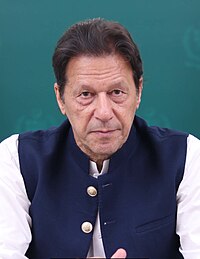
Imran Khan
INTELLIGENCE DOSSIER: IMRAN KHAN
CLASSIFICATION: MONITORED TIER
Imran Khan is the former Prime Minister of Pakistan and current opposition leader whose political trajectory directly influences South Asian geopolitical stability and Pakistan's institutional governance. His significance extends beyond domestic politics—his alignment with anti-establishment movements, international diplomatic positioning, and influence over Pakistan's military-civilian power dynamics make him a critical figure in regional security architecture affecting US counterterrorism interests, China's Belt and Road corridors, and India's strategic calculations.
Khan maintains position #100 on the LeadersCartel Power Index with a monitored tier classification and 0.7 influence score tracked across 295 active intelligence sources. His signal distribution reflects 1 high-impact indicator with zero emerging or watch-level signals, suggesting concentrated rather than diffuse influence. This ranking indicates declining relative power—his detention has compressed his operational capacity, though his tier classification reflects persistent institutional relevance. The single high-impact signal tracks his detention's effect on PTI party mobilization and international advocacy networks.
Three critical developments emerged this reporting cycle. First, Imran Khan's sisters successfully navigated security protocols to reach Adiala jail, signaling family mobilization and potential legal coordination for his defense. Second, health deterioration alerts from multiple international observers raise humanitarian concerns that could trigger UN interventions or diplomatic friction with Islamabad. Third, PTI's public attribution of Pakistan's Iran-US negotiation role to institutional rather than opposition pressure suggests competitive political framing around diplomatic successes, directly impacting Khan's relevance narrative.
Monitor the next 72 hours for any formal international intervention requests through UN channels regarding Khan's detention conditions. The specific trigger event warranting immediate escalation would be documented medical emergencies requiring external treatment, which would force either international pressure mechanisms or visible government capitulation—either outcome significantly reshapes Pakistani power dynamics.