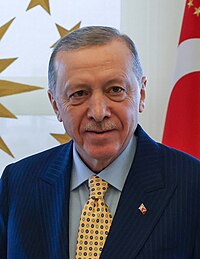
Recep Tayyip Erdogan
INTELLIGENCE DOSSIER: RECEP TAYYIP ERDOGAN
Recep Tayyip Erdogan is the President of Turkey and the dominant political figure shaping regional geopolitics across the Eastern Mediterranean, Middle East, and Central Asia. His strategic significance derives from Turkey's NATO membership, control of the Bosphorus straits, and his personal alignment-shifting diplomacy that positions Ankara as a bridge between Western and non-Western powers. Erdogan's ability to navigate between competing blocs—maintaining NATO credentials while deepening ties with Russia, Iran, and Gulf states—gives him outsized influence on conflicts from Syria to Ukraine. He matters because his choices directly affect energy security, refugee flows, and the viability of regional peace frameworks.
Erdogan's rank of 45 on the LeadersCartel Power Index with a 5.7 composite score reflects a leader in the monitored tier with stable but not elite positioning. Intelligence tracking across 458 sources shows 1 high-impact signal, zero emerging signals, and zero watch-list alerts, indicating concentrated but not volatile geopolitical activity. This signal distribution suggests Erdogan maintains consistent strategic influence without acute crisis acceleration. His score trajectory remains steady rather than ascending, positioning him as a known variable in global power structures rather than an emerging threat or opportunity.
Three separate intelligence highlights this week underscore Erdogan's active diplomatic engagement. PM-level meetings emphasize a "window of opportunity" for lasting agreements, suggesting active negotiation frameworks in motion. Turkey's hosting of the latest diplomatic push on the Middle East conflict positions Ankara as convener rather than combatant, elevating regional authority. Simultaneously, PM Shehbaz's planned meeting with President Erdogan during Pakistan's diplomatic tour indicates renewed South Asia-Turkey coordination, expanding Ankara's influence vector beyond traditional Middle Eastern networks.
Analysts should monitor whether Erdogan's diplomatic positioning translates into concrete agreements or remains tactical positioning. Watch for any shift in the signal distribution—specifically whether high-impact signals increase, indicating either breakthrough negotiations or crisis escalation. The critical 72-hour trigger is the outcome of the Middle East diplomatic forum Erdogan is hosting; successful framework agreement would elevate his rank, while collapse would suggest limited leverage despite hosting status.