International Energy Agency
INTERNATIONAL ENERGY AGENCY: INTELLIGENCE DOSSIER
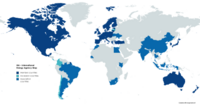
The International Energy Agency is an intergovernmental organization headquartered in Paris that functions as the primary analytical authority on global energy security and market stability for 31 member nations. The IEA wields disproportionate influence over international energy policy, commodity pricing, and geopolitical strategy through its real-time market assessments and strategic petroleum reserve recommendations. Their significance derives from the ability to trigger coordinated emergency oil releases affecting global markets worth trillions in aggregate value, making their institutional positioning critical for understanding energy-driven geopolitical leverage.
The IEA currently ranks 52nd on the LeadersCartel Power Index with a score of 2.6/100, indicating moderate institutional influence under sustained monitoring protocols. Intelligence tracking across 1066 source channels reveals a 4H/0E/0W signal distribution, suggesting high-impact communications remain concentrated with no emerging or watch-tier escalation patterns detected. The monitored-tier classification reflects stable institutional positioning without immediate power trajectory shifts, though their score suggests declining relative influence compared to state actors and corporate energy majors in aggregate power calculations.
This week's headline activity centers on three convergent crisis signals: the IEA issued stark warnings regarding historic oil supply shocks tied to Iran military escalation, Chief officials issued warnings on price volatility, and statements explicitly connected Iranian conflict dynamics to global market choking mechanisms. Each signal carried direct commodity impact, with Persian Gulf supply disruption rhetoric driving WTI volatility and triggering strategic reserve considerations among member states. The concentration of three high-impact statements within seven days indicates elevated institutional activation around Iranian geopolitical risk.
Analysts should monitor the IEA's next quarterly assessment release and any emergency meetings called within 72 hours regarding Iranian sanctions enforcement or conflict escalation. The specific trigger event to watch: any IEA recommendation for coordinated strategic petroleum reserve releases, which would indicate institutional assessment that supply disruption risk has crossed emergency threshold and signal broader market intervention expectations.