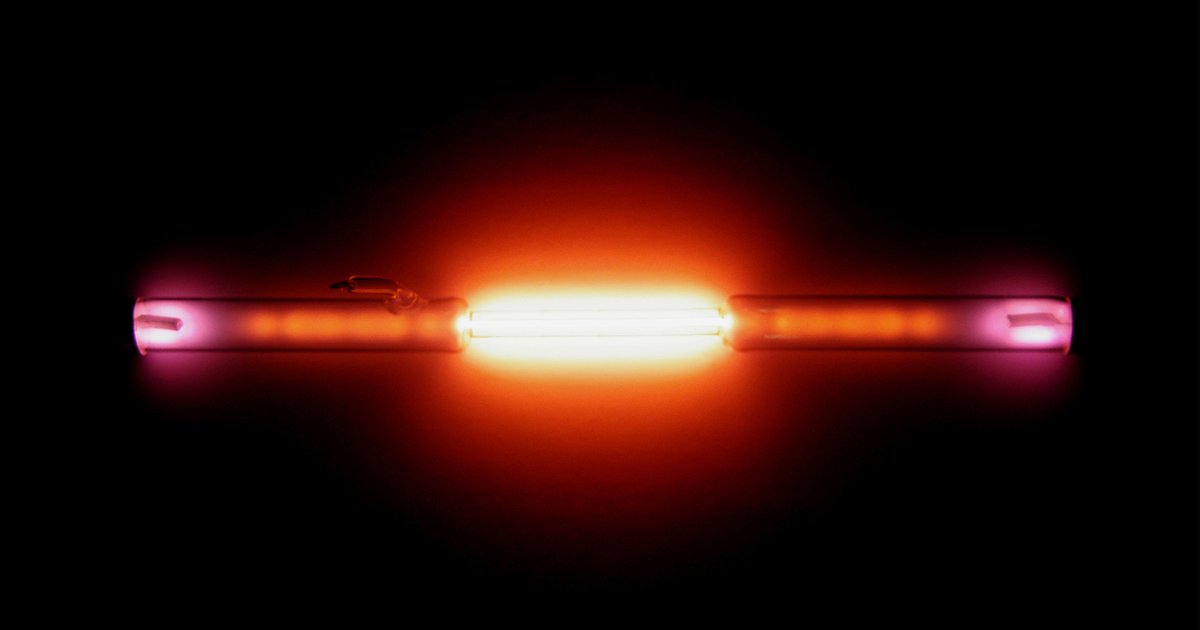
Helium
HELIUM SUPPLY CHAIN: INTELLIGENCE DOSSIER
Helium is a critical industrial commodity essential to medical imaging, aerospace, semiconductor manufacturing, and scientific research globally. As a non-renewable natural resource extracted primarily from natural gas deposits, helium occupies a strategic position in advanced economies' supply chains, with production concentrated in the United States, Qatar, Russia, and China. The commodity's scarcity and irreplaceable applications in MRI machines, rocket propulsion systems, and cryogenic cooling make supply disruptions geopolitically consequential. Unlike replaceable materials, helium depletion directly constrains healthcare delivery and technological advancement across allied nations.
Helium's LeadersCartel ranking of 184 with a 2.2 score reflects its monitored but non-dominant position within commodity volatility indices. The signal distribution (1 high-impact, 0 emerging, 0 watch-tier) indicates concentrated disruption risk rather than distributed instability. Tracked across 74 intelligence sources, helium's tier designation suggests escalating supply concerns warrant elevated analyst attention. The trajectory remains stable operationally but fragile strategically—supply shocks propagate rapidly through downstream sectors without buffering capacity.
Three concurrent developments intensify supply pressure. A helium shortage at Wenlock Hospital in Mangaluru disrupted MRI services in India, signaling Asian healthcare vulnerability. Simultaneously, China's helium export restrictions threatened European supplies, reflecting Beijing's willingness to weaponize critical commodities as geopolitical leverage. Astronomers' discovery of a super-Earth announcement, while scientifically significant, masks underlying demand from next-generation space observation equipment requiring helium-cooled instruments.
Analysts should monitor Qatar-Russia production negotiations and Trump administration export policy revisions toward China within 72 hours. Watch for cascading hospital cancellations across Europe and Asia as inventory depletes. The critical trigger: any announced Chinese production cuts would accelerate European supply-chain contingency activation and likely prompt NATO coordination on helium reserves.