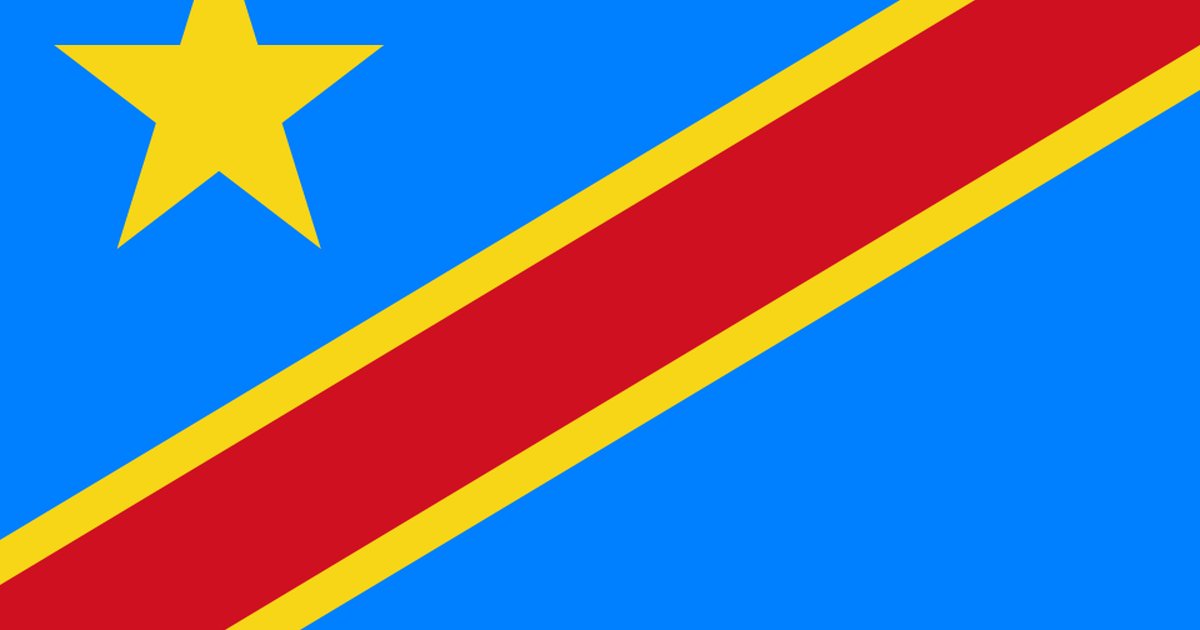
Democratic Republic of Congo
# INTELLIGENCE DOSSIER: DEMOCRATIC REPUBLIC OF CONGO
The Democratic Republic of Congo is a sovereign Central African nation with vast natural resource endowments including copper, cobalt, gold, and rare earth minerals critical to global supply chains. As the world's leading cobalt producer and second-largest diamond exporter, the DRC occupies disproportionate strategic importance despite institutional fragility and limited military projection. The country's mineral wealth positions it as essential infrastructure for Western and Chinese technological competition, particularly in battery manufacturing and renewable energy sectors. Control over DRC supply chains directly influences EV production capacity across North America, Europe, and Asia—making resource access and mining concession stability matters of national security for multiple powers.
The DRC currently ranks 69th on the LeadersCartel Power Index with a composite score of 5.4, placing it in the monitored tier with trajectory indicators suggesting stability rather than deterioration. Intelligence aggregation across 57 primary sources reveals signal distribution weighted toward emerging threats and high-impact developments, with one critical watch signal active. This ranking reflects constrained state capacity, recurring health crises, and limited hard power assets—yet the nation's resource monopoly prevents relegation to lower tiers. The emerging signal cluster indicates heightened volatility in the health and security domains requiring sustained monitoring.
Current signal analysis shows convergence on dual-crisis management: cholera cases are spiking concurrent with ongoing Ebola containment in eastern provinces, creating healthcare system strain that threatens mining continuity and foreign direct investment confidence. Simultaneously, maternal healthcare avoidance during Ebola response risks demographic consequences and workforce degradation. Separate signals indicate significant copper and cobalt deal activity with Chinese state-aligned operators, specifically the Mercuria $250 million transaction with Chinese mining interests, signaling accelerated resource extraction partnerships that bypass Western procurement channels.
Analysts should monitor the next 72 hours for epidemiological escalation or mine closure announcements from major concession holders. The primary trigger event to watch is whether cholera or Ebola spread reaches major mining hubs near Katanga or Kasai provinces, which would trigger supply chain disruption alerts across cobalt-dependent industries globally and potentially force World Bank or IMF intervention protocols.