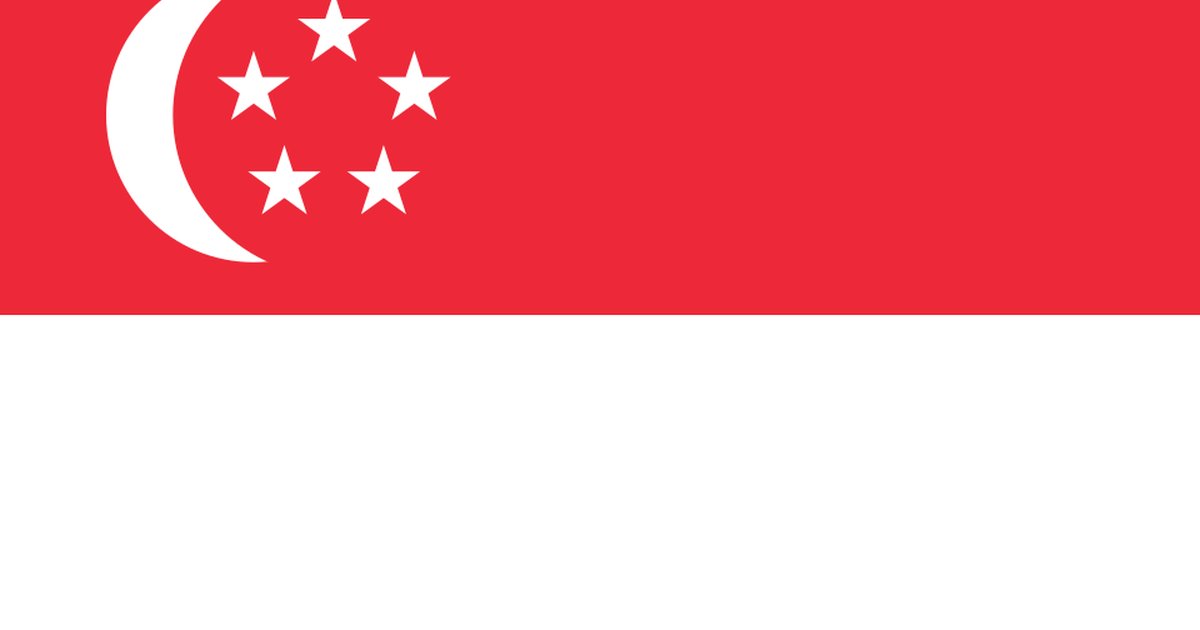
Singapore
SINGAPORE INTELLIGENCE DOSSIER | CLASSIFICATION: MONITORED
Singapore is a city-state and sovereign nation in Southeast Asia, currently governed as a parliamentary republic with Prime Minister Lawrence Wong at the helm (succeeding Lee Hsien Loong in 2024). The Lion City functions as a critical global financial hub, petrochemical processing center, and transshipment nexus controlling strategic chokepoints in the Strait of Malacca. Singapore's geopolitical significance stems from its position as a bridge between major powers—equidistant from US, Chinese, and Indian spheres of influence—while maintaining strict neutrality and hosting regional headquarters for multinational corporations and financial institutions worth trillions in assets under management.
Singapore maintains a monitored tier ranking at position 80 on the LeadersCartel Power Index with a composite score of 4.9, tracked across 239 active intelligence sources. The signal distribution pattern (0 high-impact, 6 emerging, 0 watch-tier) indicates stable but undynamic positioning within global power hierarchies. This mid-tier classification reflects Singapore's disproportionate economic and strategic influence relative to its 5.7 million population—a function of institutional credibility rather than demographic or military dominance. The stable signal profile suggests leadership continuity without major destabilizing events, consistent with Singapore's historical governance model.
Three critical signals emerged this reporting cycle. AI-driven job displacement threatens Singapore's office real estate sector, particularly in the Central Business District where demand correlates directly to financial services employment. UK Prime Minister Keir Starmer's recent invocation of Singapore's "poisonous shrimp" metaphor signals renewed Western interest in Singapore's strategic deterrence models amid Indo-Pacific tensions. Iron ore pricing below $90 per ton impacts Singapore's refining margins and regional supply chain dynamics, affecting profit flows through Port of Singapore operations.
Analysts should monitor Singapore's policy response to AI-driven workforce contraction over the next 72 hours, particularly any government stimulus targeting financial services retention. Watch for clarification of Starmer's deterrence reference—whether this signals coordinated UK-Singapore security initiatives. The critical trigger event: any Chinese military activity in the South China Sea that forces Singapore to publicly choose sides, compromising its neutral positioning and potentially destabilizing the estimated $1.