Gaza
INTELLIGENCE DOSSIER: GAZA STRIP
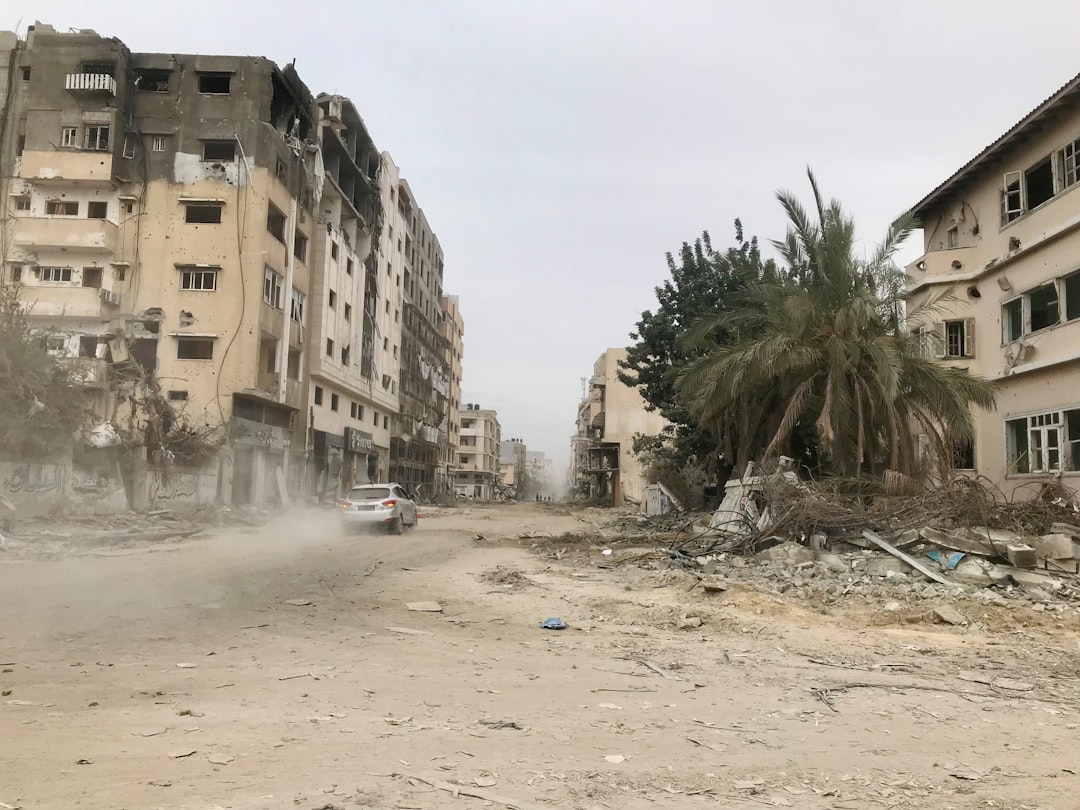
Gaza is a Palestinian territory of 2.3 million people located between Israel and Egypt, currently under de facto Israeli military control following the October 2023 Hamas attack and subsequent major offensive operations. As a stateless entity with no sovereign government representation, Gaza functions as a flashpoint for Middle Eastern geopolitical tension and serves as headquarters for Hamas's political and military infrastructure. Its strategic significance derives from its role as a critical humanitarian crisis zone, a proxy battleground for regional powers including Iran and various non-state actors, and a primary driver of international diplomatic friction between Western allies and the Global South.
Gaza maintains rank 92 on the LeadersCartel Power Index with a consolidated score of 3.6, tracked across 548 active intelligence sources with signal distribution weighted toward high-impact (2H) and emerging (2E) developments, indicating volatile but contained regional influence rather than systemic global power. The territory's position reflects its lack of formal state capacity coupled with disproportionate media and diplomatic attention. The monitored tier classification suggests elevated risk sensitivity rather than imminent systemic escalation. Current signal patterns show stability in ranking despite intensive military operations, suggesting international assessment of Gaza's power projection remains constrained by institutional absence.
Three concurrent headline signals frame this week's operational environment. IDF elimination of a Hamas military wing elite platoon commander represents tactical degradation of command structure targeting Hamas's organizational continuity. Broader Israel attack operations on Hamas targets across the Strip indicate sustained offensive pressure. Simultaneously, the third signal highlights reframing of Biden's Gaza policy legacy by current administration—a rhetorical shift reflecting Trump administration's January 2025 policy reorientation toward regional security partnerships and reduced humanitarian emphasis.
Analysts should monitor 48-72 hour indicators including Hamas operational response capacity, civilian casualty escalation (which historically triggers international diplomatic intervention), and statements from linked entities—particularly Iran and Pakistan regarding regional destabilization thresholds. The critical trigger event to watch: any significant attack originating from Gaza territory targeting Israeli or allied assets, which would immediately elevate Gaza's power index ranking through demonstrating operational capability beyond territorial containment.