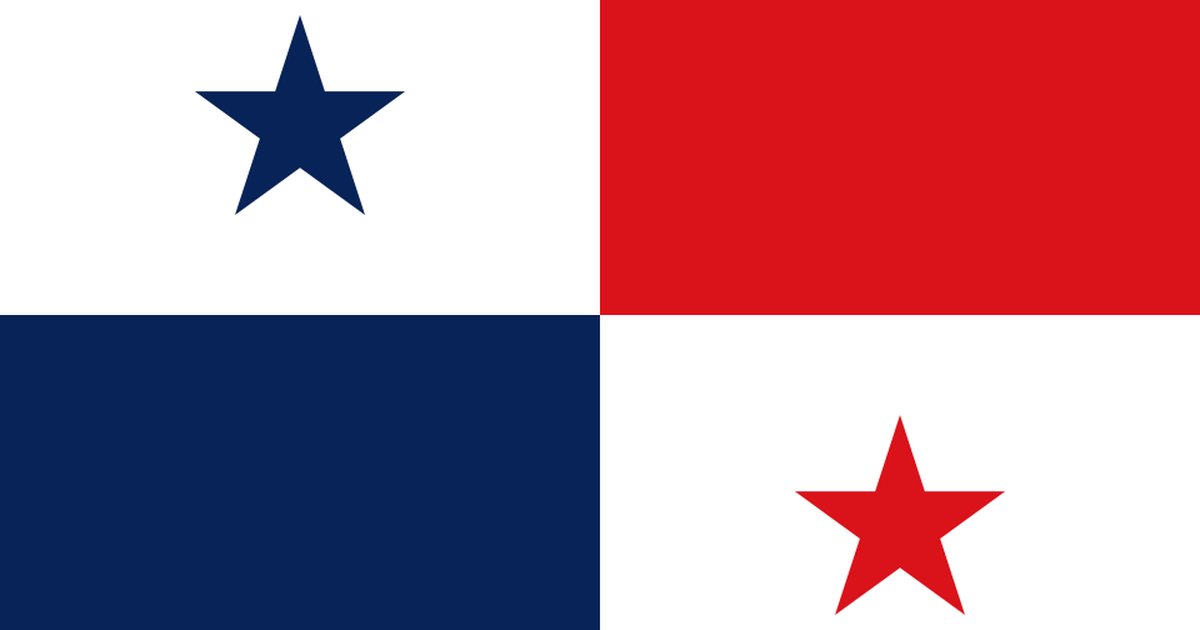
Panama
PANAMA INTELLIGENCE DOSSIER
Panama is a Central American nation-state of critical geostrategic importance, currently governed within a presidential system and serving as the custodian of the Panama Canal—the world's most consequential maritime chokepoint controlling approximately five percent of global trade. Beyond canal operations, Panama functions as a regional financial hub, hemispheric logistics nexus, and increasingly contested zone of great power influence. Its strategic position between the Atlantic and Pacific, combined with dollarized economy and permissive regulatory environment, makes Panama a persistent focus for US interests, Chinese investment, and Russian sanctions evasion activities. The nation's relevance extends beyond commerce; it represents a litmus test for American hemispheric dominance during an era of intensifying competition from Beijing and Moscow.
Panama registers at rank 110 on the LeadersCartel Power Index with a score of 3.4, classified under monitored tier status and tracked across 1029 active intelligence sources. The signal distribution pattern—1 high-impact, 1 emerging, 0 watch signals—indicates stable but limited direct power projection, with influence concentrated through external dependencies rather than autonomous capability. This positioning reflects Panama's structural constraint as a small nation whose relevance derives from geographic possession rather than military, economic, or technological capacity. The monitored classification suggests surveillance-level importance; Panama lacks the autonomous agency to drive regional outcomes independently but remains tactically significant within broader power competition frameworks.
Current reporting captures three distinct threat vectors: US military presence renewal centered on Jungle Operations Training graduates indicates Washington's renewed emphasis on Central American forward positioning, potentially signaling Trump administration interest in enhanced isthmian security arrangements. Simultaneously, Panama's active debt diversification strategy—expanding beyond traditional US-denominated instruments—suggests fiscal vulnerability and potential openness to Chinese financing mechanisms, mirroring broader Latin American capital reorientation patterns. Lockheed Martin's linked corporate presence underscores military-industrial involvement in regional infrastructure and defense contracts. NATO's appearance in linked entities indicates potential alliance coordination mechanisms extending beyond traditional transatlantic scope.
Analysts should monitor three variables over the next 72 hours: any statements from Trump administration regarding canal control, operational security updates, or military deployment authorization; announcements concerning Panama's debt refinancing sources or Chinese institutional investor participation; and statements from Panama's executive regarding US military presence or sovereignty