Romania
ROMANIA INTELLIGENCE DOSSIER
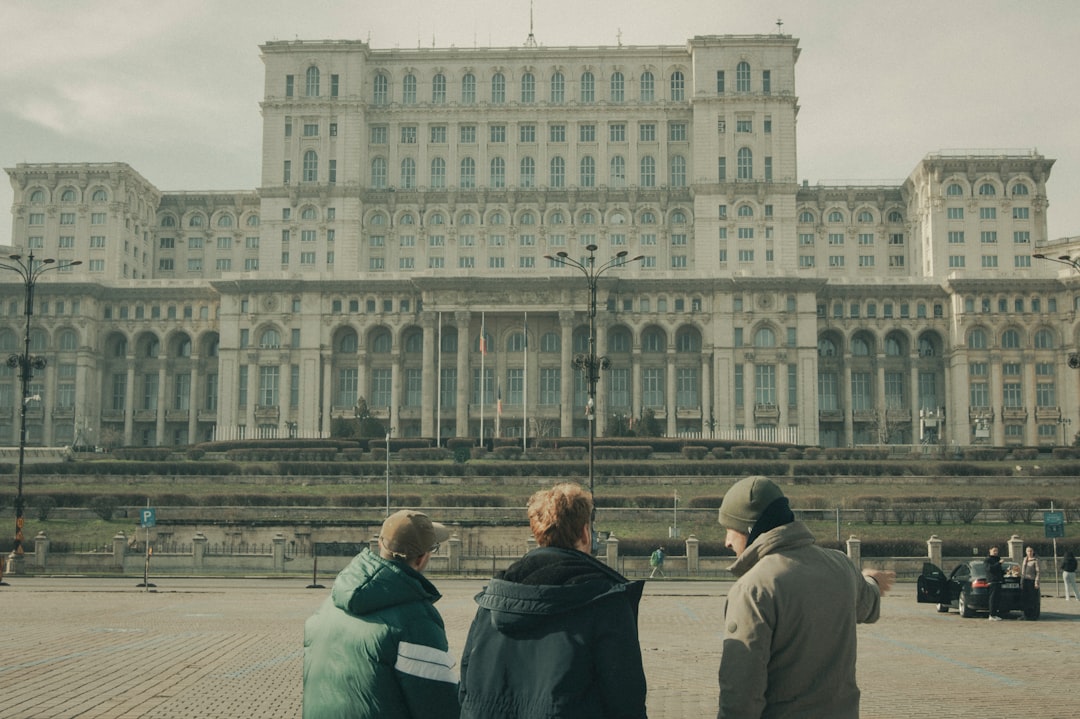
Romania is a NATO and European Union member state in Southeast Europe, currently positioned as a critical strategic buffer between Western institutions and Russian interests in the Black Sea region. With a population of approximately 19 million and a GDP ranking it among Central Europe's mid-tier economies, Romania's strategic significance derives from its geographic proximity to contested waters, its role as a NATO eastern flank anchor, and its emerging importance as an energy transit corridor. The country serves as a forward positioning asset for NATO operations and Western deterrence against Russian expansion, particularly following Moscow's 2022 invasion of Ukraine. Romania's Black Sea coastline and its deepwater port at Constanța amplify its geopolitical weight disproportionate to its economic size.
Romania currently ranks 75th on the LeadersCartel Power Index with a score of 5.0 out of 100, tracked across 989 active intelligence sources. The signal distribution reveals one high-impact indicator, five emerging signals, and zero watch-level concerns, suggesting Romania maintains baseline strategic relevance with modest upward pressure. This "monitored" tier status indicates elevated activity warranting consistent analyst attention. Romania's mid-ranking reflects its constrained independent capacity tempered against NATO solidarity, limiting autonomous geopolitical leverage while securing institutional backing that amplifies its regional voice.
This week's headlines underscore Romania's proactive NATO positioning. The Romanian president publicly called for greater NATO oversight in the Black Sea, amplifying allied pressure for expanded naval presence and coordination mechanisms—a direct response to persistent Russian military activity in contested waters. Simultaneously, two separate maritime incidents involving Indian seafarers struck by projectiles and drone strikes signal escalating Black Sea volatility affecting commercial shipping, creating indirect reputational and economic pressure on Romanian port authorities and underscoring the security environment Romania navigates daily.
Monitor Romania's diplomatic alignment over the next 72 hours, particularly statements from German Chancellor Friedrich Merz regarding Black Sea NATO posture coordination. Watch for any Romanian military readiness announcements or NATO exercise scheduling, as these indicate confidence trajectories. The critical trigger event: announcement of expanded NATO maritime command structure integration, which would elevate Romania's institutional power score materially.