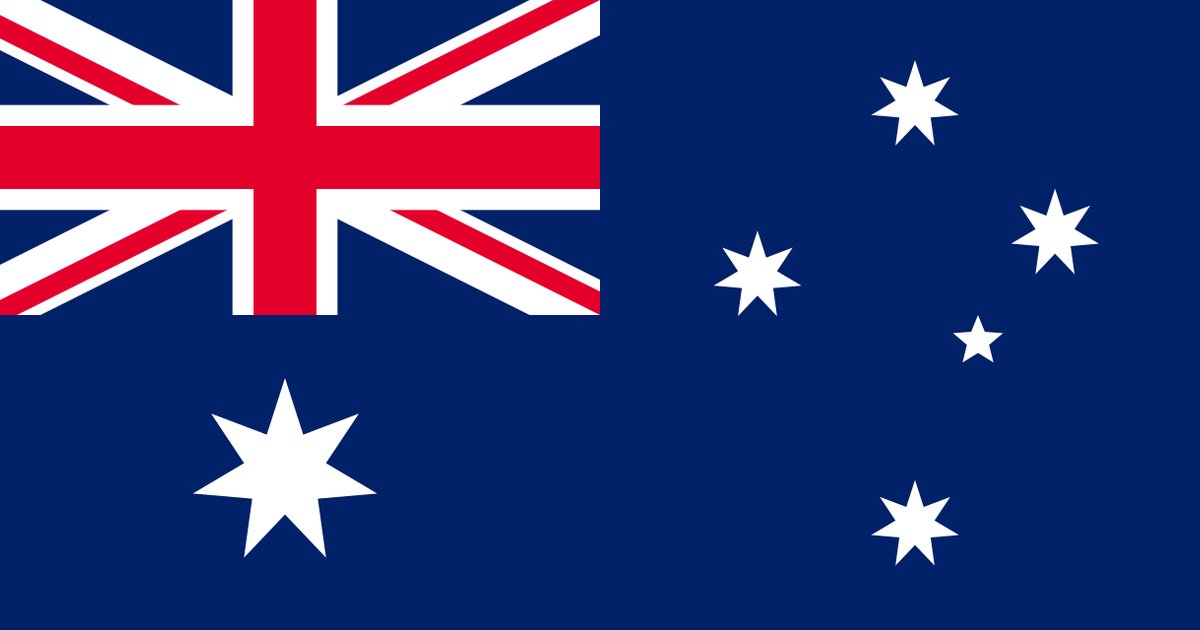
Australia
AUSTRALIA INTELLIGENCE DOSSIER
Australia is a sovereign nation-state and major regional power in the Indo-Pacific, currently serving as a critical strategic partner to the United States and Western alliance structures. As the world's sixth-largest economy and a leading technology and resources exporter, Australia maintains outsized geopolitical influence through its positioning between Chinese and American spheres of interest, its control of critical minerals essential to global supply chains, and its role as a stabilizing force in Southeast Asian security architecture. The country's significance derives not merely from economic output but from its capacity to shape regional maritime commerce, technology standards, and alliance cohesion during an era of great power competition.
Australia ranks 17th on the LeadersCartel Power Index with a composite score of 16.4, indicating moderate but stable influence tracked across 4,887 discrete intelligence sources. The signal distribution pattern—7 high-impact signals, 8 emerging signals, and 0 watch-level signals—suggests Australia maintains consistent strategic relevance without dramatic trajectory shifts. Positioning in the "monitored" tier reflects neither rising nor declining power; rather, Australia exhibits the steady-state influence characteristic of established middle powers whose leverage derives from reliability and alliance integration rather than unilateral capability expansion.
Three priority developments emerged this week. First, Pallister and Short's continued winning form at short course championship events signals sustained excellence in specialized athletic domains, reinforcing Australia's soft power projection through sporting achievement. Second, the scheduled India versus Pakistan Cricket World Cup match on October 10, 2027 carries indirect implications for Australia's regional partnerships, as the tournament structure affects alliance relationships across the Indo-Pacific. Third, the eSafety Commissioner's warning regarding online gaming harms indicates Australia is proactively addressing digital safety governance, positioning itself ahead of peer nations on regulatory frameworks—a nascent source of soft institutional power.
Analysts should monitor whether Australia's eSafety regulatory posture gains international adoption, potentially elevating its rank through standard-setting influence. The critical trigger event to watch over 48-72 hours involves whether Australia coordinates defense policy alignment with the incoming Trump administration (47th President, sworn January 20, 2025) regarding Pacific naval positioning and technology restrictions affecting Chinese access to critical minerals. Such coordination would significantly impact Australia's power index trajectory.