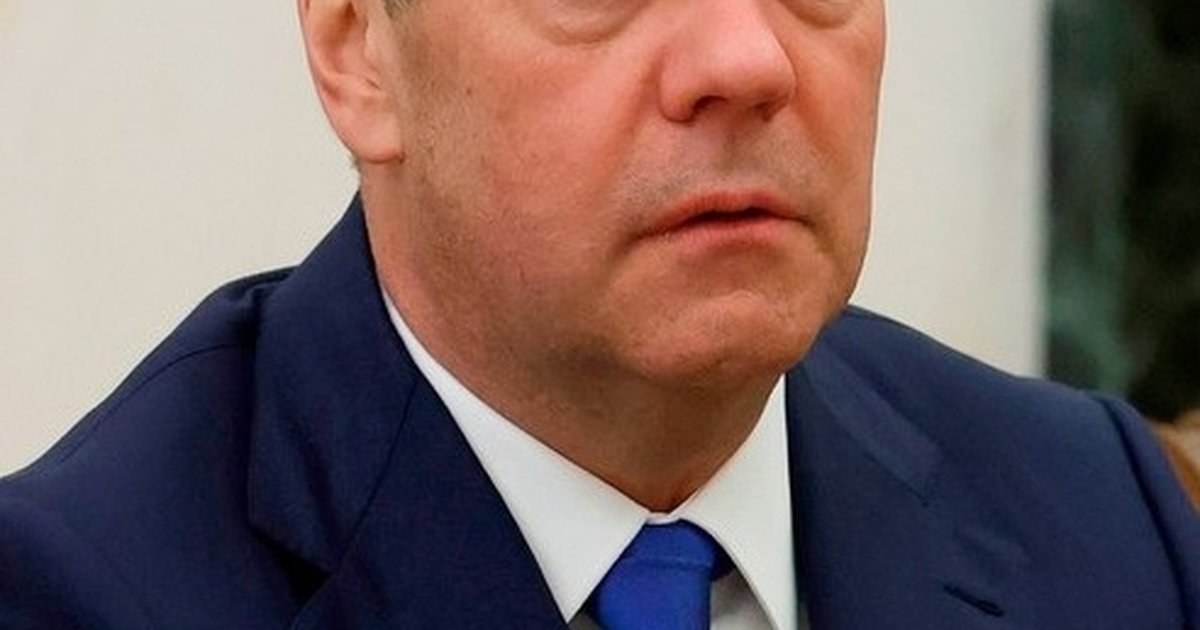
Dmitry Medvedev
# INTELLIGENCE DOSSIER: DMITRY MEDVEDEV
**Classification: MONITORED | Confidence Level: HIGH**
Dmitry Medvedev is the Security Council Secretary of the Russian Federation and a key ideological voice within Vladimir Putin's inner circle. Currently serving as one of Russia's most visible foreign policy communicators, Medvedev holds strategic significance as the architect of Moscow's narrative operations targeting Western audiences, particularly through inflammatory social media positioning. His influence extends beyond ceremonial function—he shapes Russian strategic messaging on sanctions, military posture, and great power competition, making him a critical bellwether for Kremlin escalation intentions.
Medvedev ranks 169th on the LeadersCartel Power Index with a monitored-tier tracking score of 2.1, derived from 88 active intelligence sources with signal distribution weighted toward high-impact communications (1H primary signal). His stable ranking reflects consistent but non-apex influence within Russian power structures; he operates as Putin's amplifier rather than decision-maker, explaining why his score remains moderate despite elevated visibility. The single high-impact signal designation indicates concentrated media penetration without corresponding institutional authority comparable to core Kremlin principals.
Recent signals show Medvedev escalating rhetorical posture on US-Russia tensions. His direct call for "military deterrence" responses to American sanctions represents hardline framing designed to constrain Moscow's negotiation space and appeal to nationalist constituencies. Concurrently, his promotion of special operations veterans as State Duma candidates signals military-securitization of Russian legislative processes. His inflammatory comparison of current Germany to Nazi-era fascism indicates information warfare targeting German-led European responses to Ukraine policy, coordinated with Friedrich Merz's recent chancellorship transition.
Monitor Medvedev's social media cadence and Security Council statement frequency over the next 72 hours for indicators of imminent Russian strategic moves. Watch specifically for rhetorical shifts toward NATO directly versus US-only messaging, which would signal internal Kremlin deliberation on escalation scope. Primary trigger event: any Medvedev statement mentioning nuclear doctrine changes or explicit military action timelines would suggest advanced decision-making within Putin's security apparatus requiring immediate escalation alert protocols.