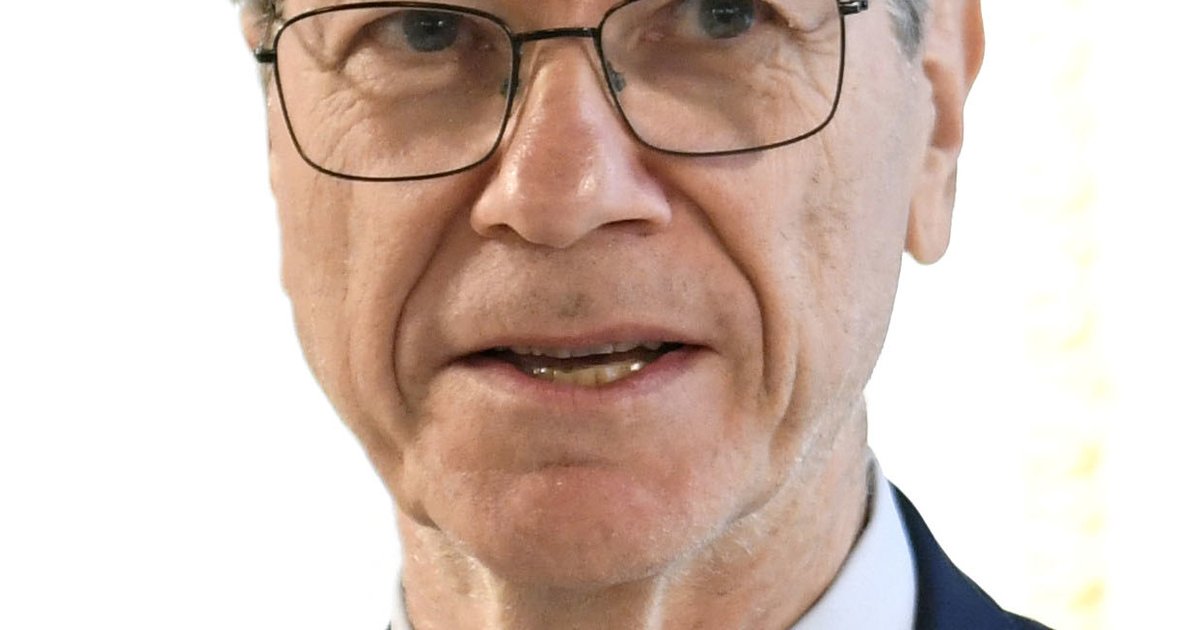
Jeffrey Sachs
Jeffrey Sachs is an American economist and senior fellow at the Columbia University Center for Sustainable Development whose influence extends across development policy, geopolitical strategy, and institutional economics. Currently positioned as a public intellectual and policy advisor rather than a formal government role, Sachs wields disproportionate influence over global development frameworks and US foreign policy discourse through media platforms and advisory roles to multiple governments. His significance derives from direct engagement with Chinese leadership on Belt and Road economics, historical advisory relationships with multilateral institutions, and emerging prominence as a counterweight to establishment US foreign policy consensus under the Trump administration.
Sachs ranks 133rd on the LeadersCartel Power Index with a score of 2.4, tracked across 949 distinct intelligence sources. His positioning reflects stable monitored-tier status with signal distribution concentrated in high-impact (1H) channels, indicating his influence operates through elite discourse networks rather than mass mobilization. The absence of emerging or watch-tier signals suggests his power base remains anchored in established institutional relationships and media access rather than rapidly expanding influence. His tier classification reflects sustained relevance without destabilizing trajectory change.
Recent signal activity highlights Sachs' articulation of US geopolitical reorientation toward Ukraine peace negotiations, explicitly advocating abandonment of "hegemon mindset"—messaging directly relevant to Trump administration policy recalibration. Concurrent signals document his promotion of alternative economic architecture, specifically positioning Hong Kong and Shenzhen as endpoints for modern Silk Road infrastructure, directly contesting Western-centric development models. A third signal flags his public repositioning on Judaism-Zionism distinctions, navigating contemporary identity politics discourse during heightened Middle Eastern tensions under current administration policy.
Analysts should monitor Sachs' advisory positioning relative to Trump's stated Ukraine negotiation timeline and emerging US-China economic engagement. Track whether his Belt and Road advocacy translates into formal advisory roles within Trump's trade delegation or National Security Council orbit. Within 72 hours, observe whether recent Judaism-Zionism commentary generates official administration distance or tacit endorsement, signaling tolerance for heterodox positions on Israeli policy. The critical trigger event remains any public Sachs briefing to Trump or Secretary of State regarding China economic frameworks.