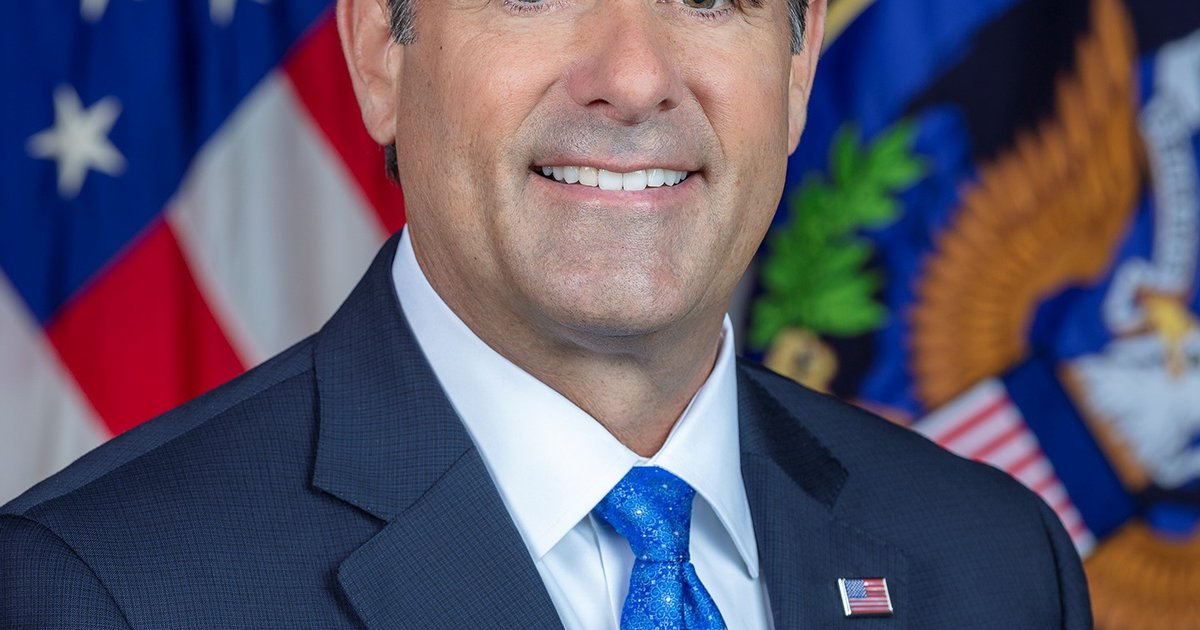
John Ratcliffe
INTELLIGENCE DOSSIER: JOHN RATCLIFFE
John Ratcliffe is a senior U.S. government official currently serving in the Trump administration, holding the position of Director of National Intelligence—the statutory lead for the entire U.S. intelligence community. Ratcliffe represents a critical nexus between presidential policy objectives and intelligence assessment, wielding direct influence over threat prioritization, resource allocation, and briefing architecture for President Trump, the National Security Council, and Congress. His significance derives from control over 18 major intelligence agencies and the authority to shape how America's adversaries (Russia, China, Iran) are assessed and countered. As DNI, Ratcliffe directly influences NATO burden-sharing demands, Ukraine policy calibration, and strategic messaging regarding great-power competition.
Ratcliffe maintains position #161 on the LeadersCartel Power Index with a momentum score of 1.9, tracked across 45 active intelligence sources. His signal distribution shows one emerging indicator (1E) and one watch-tier indicator (1W), with zero high-impact signals currently active—suggesting a consolidation phase following initial appointment stabilization. The emerging signal tier indicates policy positions gaining traction but not yet crystallized into operational directives. His relatively moderate positioning reflects the tension between institutional intelligence analysis and Trump's distinctive foreign policy approach, particularly regarding Russia and NATO.
Three critical developments emerged this reporting cycle. First, Trump's public dismissal of Putin attack preparations on NATO states directly contradicts traditional intelligence community threat assessments, placing Ratcliffe in a position of managing institutional credibility versus presidential directives. Second, CIA diplomatic failure to bridge U.S.-Russia divide signals Ratcliffe's portfolio confronting a strategic stalemate that intelligence channels cannot resolve politically. Third, Iran's strategic opening in Europe—facilitated by Russia—represents an emerging threat nexus requiring immediate DNI resource reallocation toward counterintelligence operations in allied nations.
Analysts should monitor whether Ratcliffe's next formal threat assessment on Russia-NATO tensions will align with presidential statements or reassert institutional independence. The critical 48-72 hour trigger: whether Ratcliffe provides classified briefing contradicting Trump's public NATO stance, creating potential accountability pressure within Congress or allied intelligence services.