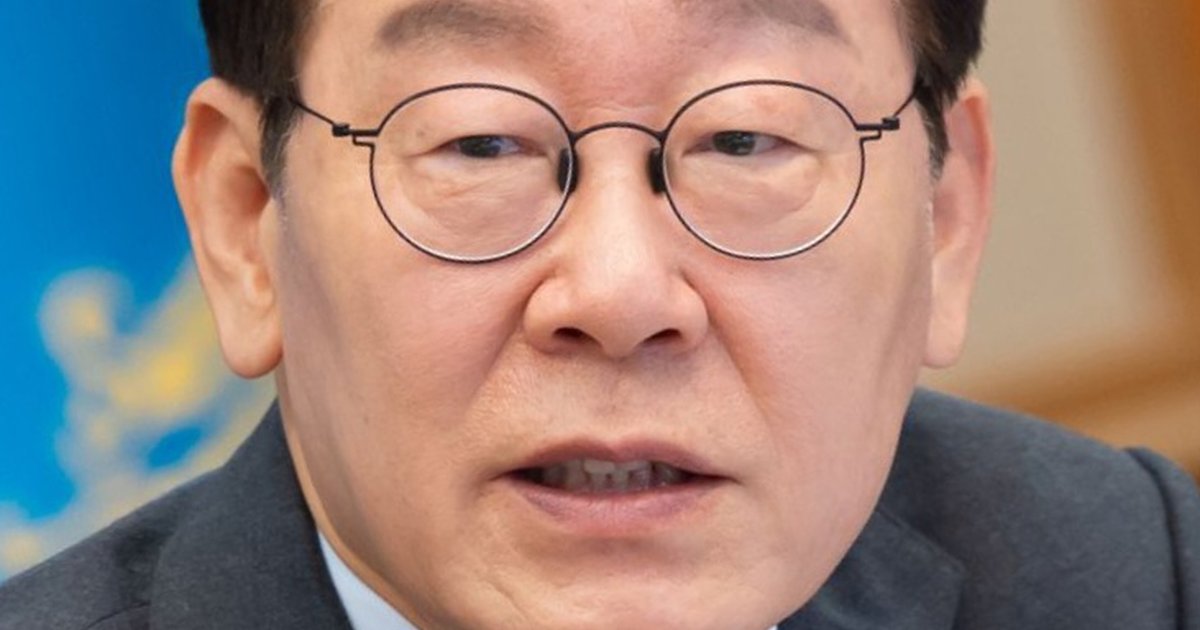
Lee Jae-myung
INTELLIGENCE DOSSIER: LEE JAE-MYUNG
South Korea Opposition Leader & Presidential Contender
Lee Jae-myung is the Democratic Party opposition leader and primary challenger to South Korea's current ruling administration, holding significant sway over domestic policy direction and Seoul's strategic posture toward Washington, Beijing, and Pyongyang. As former Gyeonggi Province governor and two-time presidential candidate, he commands substantial political infrastructure and represents the progressive faction advocating for renewed inter-Korean dialogue. His significance extends beyond domestic politics: Lee's positioning on US alliance commitment, China engagement, and Korean Peninsula denuclearization directly shapes Seoul's diplomatic flexibility during a period of acute US policy volatility under the Trump administration's second term.
Lee Jae-myung ranks #146 on the LeadersCartel Power Index with a score of 2.8, monitored across 309 active intelligence sources. The signal distribution (1H/0E/0W) indicates one high-impact development driving his current tracked status, with no emerging signals yet amplifying his position. His rank reflects stable but constrained influence—significant within South Korean opposition circles but currently below threshold for major geopolitical decision-making authority. The seven-day signal density (sd:7) suggests moderate activity concentration, typical for opposition leaders during periods of executive policy transition.
This week's headlines reveal Lee positioning South Korea as diplomatic mediator amid US-China tensions. Lee hosted diplomatic talks emphasizing Seoul's balancing act between Washington and Beijing while simultaneously proposing inter-Korean negotiations to formally conclude the 1953 armistice. His public emphasis on the US alliance—countering apparent confusion over Trump administration directives—signals effort to stabilize South Korea's strategic orientation while maintaining space for independent diplomatic initiative.
Analysts should monitor Lee's messaging on Trump's Korea policy for the next 72 hours, particularly any statements regarding US troop presence or sanctions against North Korea. The critical trigger event: whether Lee's proposed Pyongyang talks gain traction among moderate Democratic Party members, potentially forcing the ruling party's hand on denuclearization strategy before Washington consolidates its approach.