United Arab Emirates
UNITED ARAB EMIRATES INTELLIGENCE DOSSIER
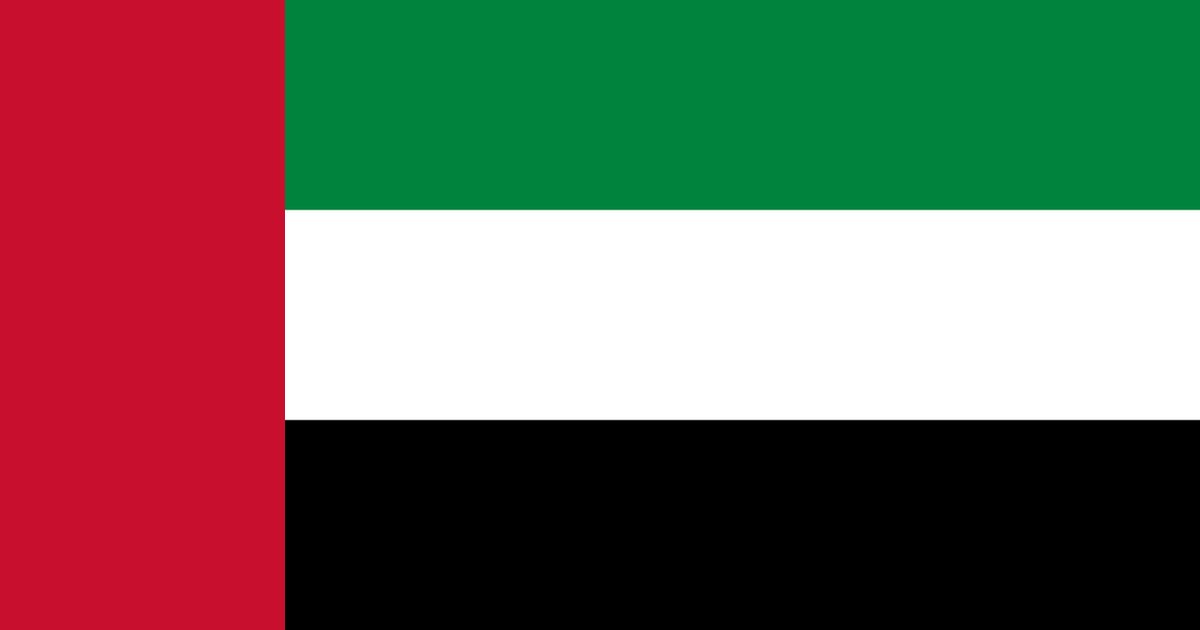
The United Arab Emirates is a federation of seven emirates on the Arabian Peninsula functioning as a critical hub for Middle Eastern geopolitics, energy markets, and global finance. As a major oil and gas producer with substantial sovereign wealth, the UAE maintains strategic partnerships across Western powers, regional actors, and emerging economies while positioning itself as a neutral broker in regional conflicts. The nation's significance derives from its dual role as an energy supplier underpinning global markets and as a diplomatic intermediary with uncommon access to adversarial powers including Iran.
The UAE currently ranks 81st on the LeadersCartel Power Index with a score of 4.8, reflecting monitored-tier status tracked across 392 intelligence sources. The signal distribution shows emerging momentum rather than decline, with five emerging-level indicators and zero high-impact signals currently registered. This positioning suggests the UAE operates as a secondary regional power—influential but not commanding tier-one attention. The monitored classification indicates the platform is actively tracking directional shifts in their strategic positioning, likely driven by energy market volatility and shifting geopolitical alignments rather than immediate crisis indicators.
Three concurrent developments warrant immediate analyst attention. The Abu Dhabi Future Health Summit signals the UAE's pivot toward post-hydrocarbon economic diversification, establishing healthcare infrastructure as strategic asset. Kuwait's reported repositioning toward reduced Washington reliance directly affects UAE's regional standing given their coordinated Gulf Cooperation Council membership and shared security architecture with the United States. Most significantly, September's IEA data on UAE oil production surge contradicts typical OPEC+ compliance patterns, suggesting either market share repositioning or geopolitical signaling toward Asian buyers including India, which appears in the linked-actors network.
Monitor the next 72 hours for statements from UAE leadership regarding OPEC+ production quotas and any formal diplomatic engagement with Iran, particularly around regional maritime security or energy corridor negotiations. Watch for coordinated messaging from Qatar and France—both linked entities—indicating whether the UAE is consolidating Gulf alignment or exploring independent energy diplomacy. The critical trigger event: any announcement of direct UAE-Iran energy or port cooperation would signal fundamental regional realignment away from Trump administration Middle East policy expectations.