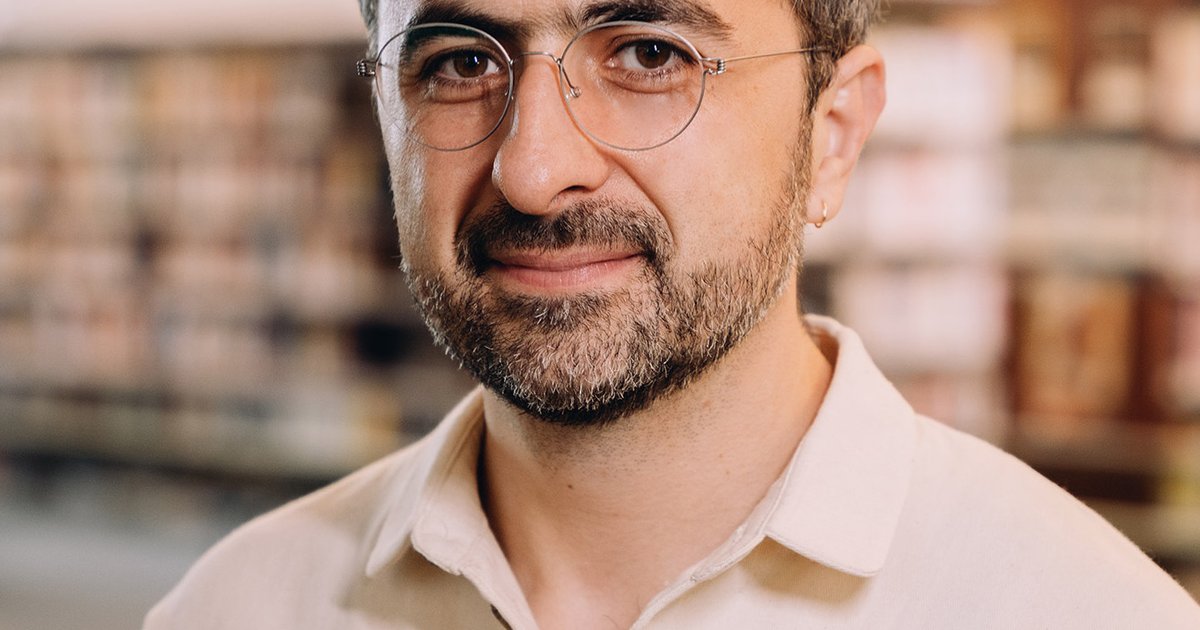
Mustafa Suleyman
INTELLIGENCE DOSSIER: MUSTAFA SULEYMAN
Mustafa Suleyman is the Chief Executive Officer of Microsoft's AI division, a Turkish-born technology executive holding one of the most influential positions in global artificial intelligence governance and corporate strategy. His current role places him at the nexus of US technology dominance, international AI policy discourse, and Microsoft's competitive positioning against rivals including Nvidia and emerging players like Anthropic. Suleyman's significance derives from his authority over Microsoft's $20+ billion AI investment portfolio, his advisory influence on US government technology policy under the Trump administration, and his status as a public intellectual shaping AI narrative globally. His previous leadership of DeepMind ethics teams and founding of Inflection AI establish him as a credible voice on existential AI risks, amplifying his leverage in both boardrooms and policy circles.
Suleyman ranks #58 on the LeadersCartel Power Index with a composite score of 6.8 across 28 distinct intelligence sources, placing him in the "monitored" tier with one emerging signal component active. His index position reflects stable rather than ascending trajectory, suggesting his power base remains substantial but not rapidly consolidating. The signal distribution pattern, tracking one emerging development against zero high-impact and zero watch-status alerts, indicates his influence operates primarily through steady corporate execution rather than crisis management or destabilizing events. His score positions him below heads of state and major institutional figures but above mid-tier corporate executives, consistent with his role as a powerful influencer rather than autonomous decision-maker within Microsoft's broader structure.
Three headline signals emerged this reporting cycle, each revealing tactical repositioning. Suleyman's statement that AI will replace only 5% of human work contradicts earlier warnings from other AI leaders and appears calibrated to reduce regulatory pressure on Microsoft ahead of potential Congressional hearings. His "China advice" commentary—urging American AI companies toward strategic restraint regarding Chinese partnerships—signals alignment with Trump administration decoupling policies while protecting Microsoft's limited Chinese operations. His accusation that Anthropic is "making AI threats worse" intensifies the competitive narrative between Microsoft-backed OpenAI and rival AI firms, suggesting escalating market positioning around safety claims as differentiation strategy.
Analysts should monitor whether Suleyman's recent de-escalation messaging (the 5% displacement claim)