South Korea
SOUTH KOREA INTELLIGENCE DOSSIER
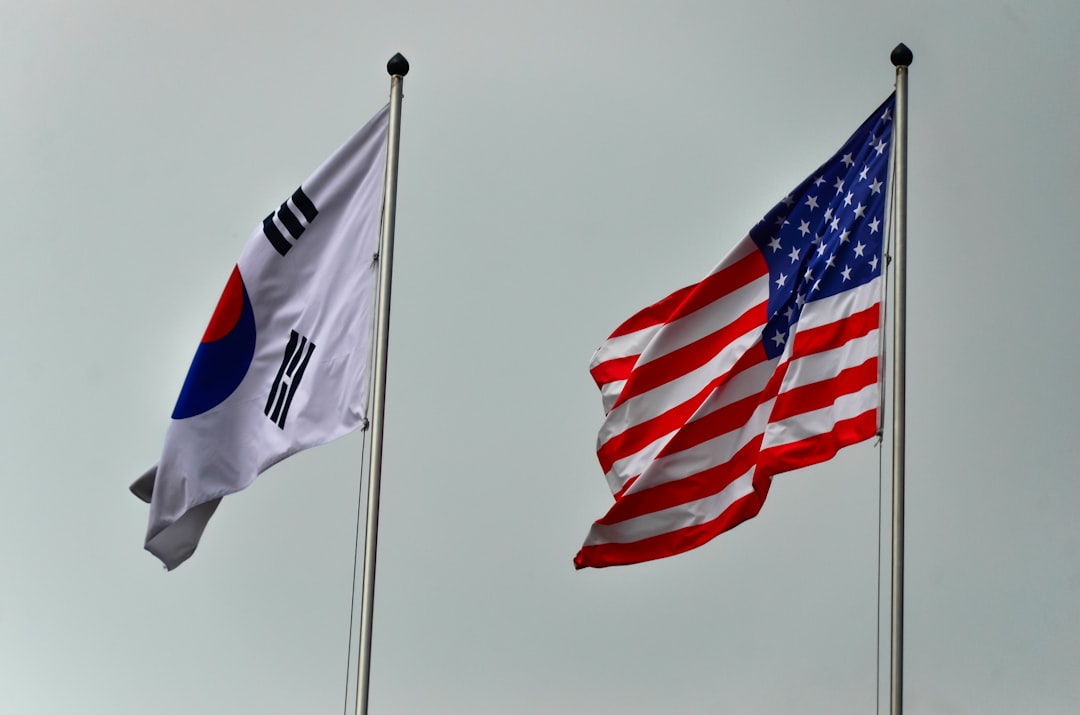
South Korea is a high-income East Asian nation-state with advanced technological and manufacturing sectors that serves as a critical strategic node in US-China competition and a primary economic engine for the Indo-Pacific region. Currently, South Korea maintains formal alliance with the United States while managing complex relations with China and Russia, positioning itself as a technology leader in semiconductors, consumer electronics, and artificial intelligence. The nation's geopolitical significance stems from its location on the Korean Peninsula, its role as a stabilizing force against North Korean aggression, and its outsized influence on global supply chains in critical technologies. South Korea's economic and technological prowess directly impacts US security architecture in Asia and represents a key variable in broader competition between developed Western economies and authoritarian regimes.
South Korea's placement at rank 43 on the LeadersCartel Power Index with a score of 8.4 reflects stable but constrained influence, tracked across 1153 active intelligence sources with signal distribution weighted toward high-impact data (2H tier signals) and emerging developments (7E indicators), alongside 0W watch-level alerts. This mid-tier positioning suggests South Korea punches above its population weight through technological and economic leverage but faces structural constraints from alliance dependencies and regional vulnerabilities. The score indicates neither rising momentum nor decline but rather a stabilized equilibrium—reflecting the nation's consistent but non-dominant role in shaping global power dynamics compared to permanent Security Council members or hegemonic powers.
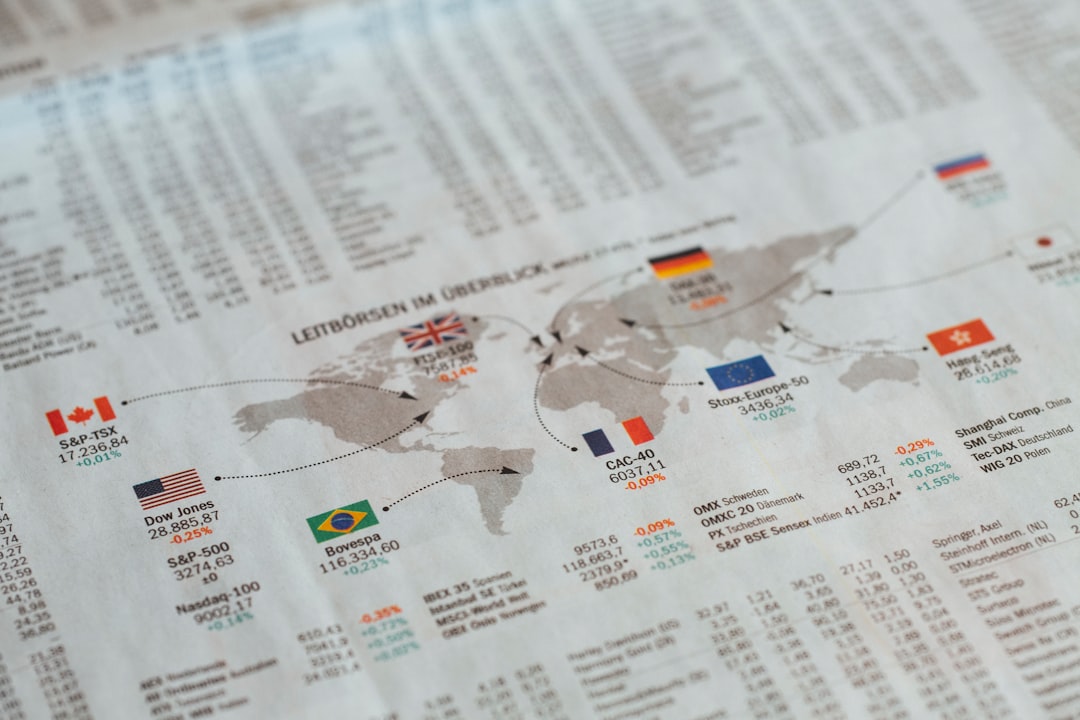
Three critical signals emerged this week. First, a South Korean industrial manager was jailed for assaulting a Thai worker with a pneumatic air gun—a labor relations incident signaling potential deterioration in South Korea's manufacturing sector reputation and worker protections, with implications for supply chain stability and foreign worker retention. Second, analysis indicates AI-driven job displacement is reshaping office real estate demand across developed Asia-Pacific economies including South Korea, threatening structural employment and tax revenue. Third, deepening technology sector sell-offs dragging major Asian markets lower directly impact South Korea's KOSPI index and semiconductor export revenues, pressuring growth forecasts.
Monitor the next 72 hours for further tech sector volatility, particularly semiconductor pricing signals and memory chip futures. Watch for any diplomatic statements from Seoul regarding North Korean military activity or Chinese pressure on Taiwan. The critical trigger event: any announcement by South Korea