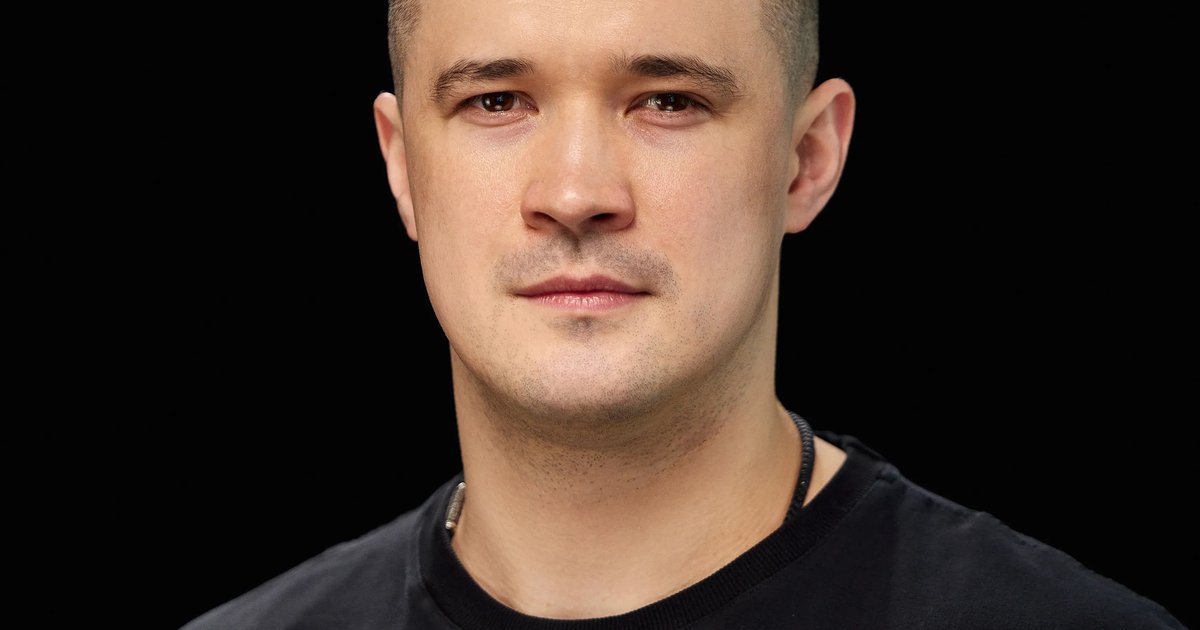
Mykhailo Fedorov
# INTELLIGENCE DOSSIER: MYKHAILO FEDOROV
Mykhailo Fedorov is Ukraine's Vice Prime Minister and Minister of Digital Transformation, a position that places him at the center of Kyiv's technological modernization and critical infrastructure governance during active conflict with Russia. As one of President Zelenskyy's closest advisors and a founding member of the digital reform agenda, Fedorov holds strategic influence over Ukraine's cyber defense capabilities, digital governance systems, and international technology partnerships—assets critical to national resilience against Russian hybrid warfare and economic reconstruction planning.
Fedorov's LeadersCartel Index ranking of 132 with a power score of 2.6 reflects his concentrated but volatile influence within Ukrainian political circles. Tracked across 232 intelligence sources with signal distribution weighted 1 High-impact, 0 Emerging, 0 Watch-tier alerts, his monitored status indicates stabilized positioning following recent institutional turbulence. The absence of emerging signals suggests his political capital has been assessed and priced into current threat models; stability at this rank indicates neither momentum nor rapid decline, but rather calibration within Zelenskyy's inner circle dynamics.
This week's signal cascade reveals destabilization: headlines report Zelenskyy's crisis deepening amid ex-Defence Minister rejection of a reconciliation offer, while simultaneously Fedorov's removal triggered mass street protests across Ukraine. The juxtaposition suggests Fedorov's removal may signal broader internal fracturing within Kyiv's leadership during a critical military period. Coverage linked to Israel, United States, and Russia context indicates international stakeholder concern; Graham's involvement signals US congressional attention to Ukrainian institutional stability.
Analysts should monitor whether Fedorov's reinstatement occurs within 72 hours, signaling Zelenskyy's political vulnerability and internal coalition collapse. The critical trigger: any statement from Trump administration regarding conditions for continued military aid tied to Ukrainian leadership cohesion. Such a statement would activate cascading institutional realignment across Kyiv's security apparatus.