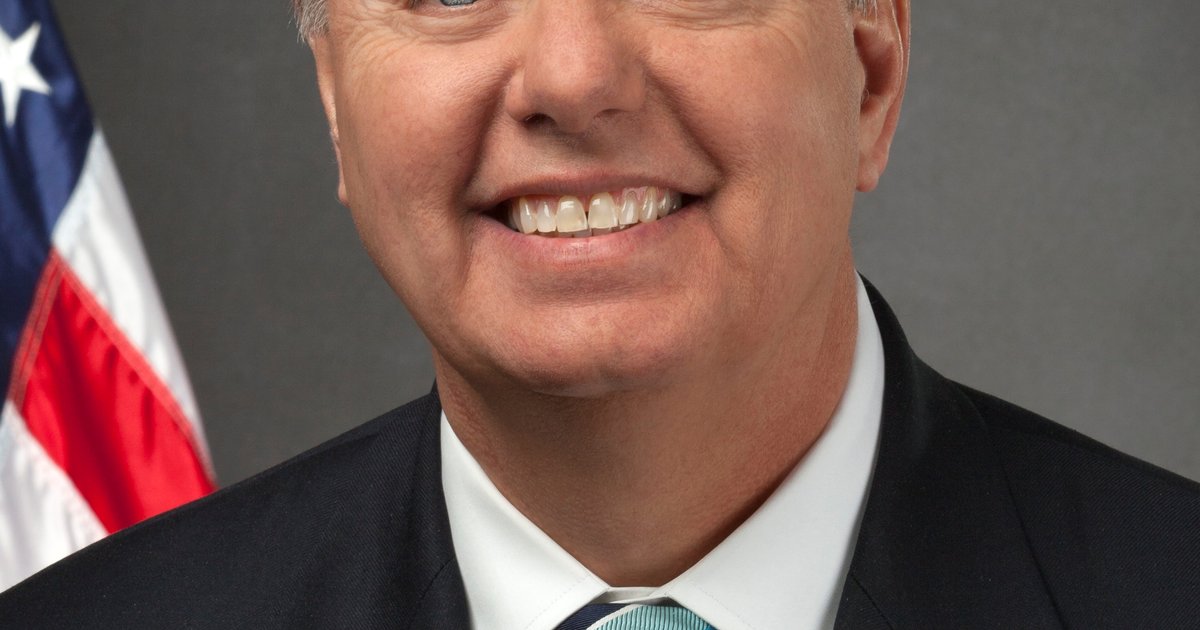
Lindsey Graham
LINDSEY GRAHAM: INTELLIGENCE DOSSIER
Lindsey Graham is a United States Senator from South Carolina and senior Republican leader currently serving in the 47th Congress under President Donald Trump. Graham represents one of the most influential Republican voices in the upper chamber, wielding substantial power over judicial confirmations, defense appropriations, and Trump administration policy alignment. His strategic significance derives from his position as both a senior Appropriations Committee member and Trump confidant, making him critical to executive-legislative coordination on military spending, intelligence oversight, and foreign policy toward Eastern Europe and China. Graham's advocacy for robust Ukraine support and NATO strengthening positions him as a key architecture influencer for Western alliance cohesion, particularly relevant given current tensions involving Russia, Poland, and the Baltic states.
Graham's rank of 164 on the LeadersCartel Power Index with a score of 1.9 reflects monitored-tier status across 40 active intelligence sources, with signal distribution concentrated on emerging factors (1E) rather than high-impact developments (0H) or watch-list alerts (0W). This positioning suggests Graham maintains stable but not escalating influence within Republican leadership structures. The marginal score indicates his power derives from institutional position rather than recent momentum shifts, consistent with a senator whose relevance tracks Trump administration priorities rather than independent power consolidation.
Recent signal activity highlights three critical developments: Graham's "Coffee Break" commentary regarding personnel movement from South Carolina to Washington reflects ongoing influence over Trump transition staffing decisions. His sister's candidacy for his Senate seat signals potential dynasty-building concerns within South Carolina Republican politics. Most significantly, Graham's securing of Republican nomination for his own Senate seat confirms continued electoral viability and party backing, stabilizing his institutional position through 2026.
Analysts should monitor Graham's voting patterns on Trump defense and Ukraine spending bills over the next 72 hours, as potential divergence from administration orthodoxy would trigger emerging-tier signal escalation. Track any public statements reconciling Trump's potential Russia negotiations with Baltic ally commitments, particularly regarding Poland and Lithuania defense posture. The specific trigger event: any Graham statement on Taiwan or China policy coordination with Merz's Germany administration would indicate shift toward independent foreign policy positioning.