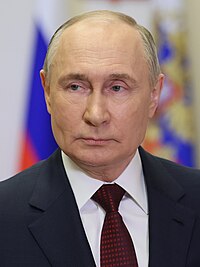
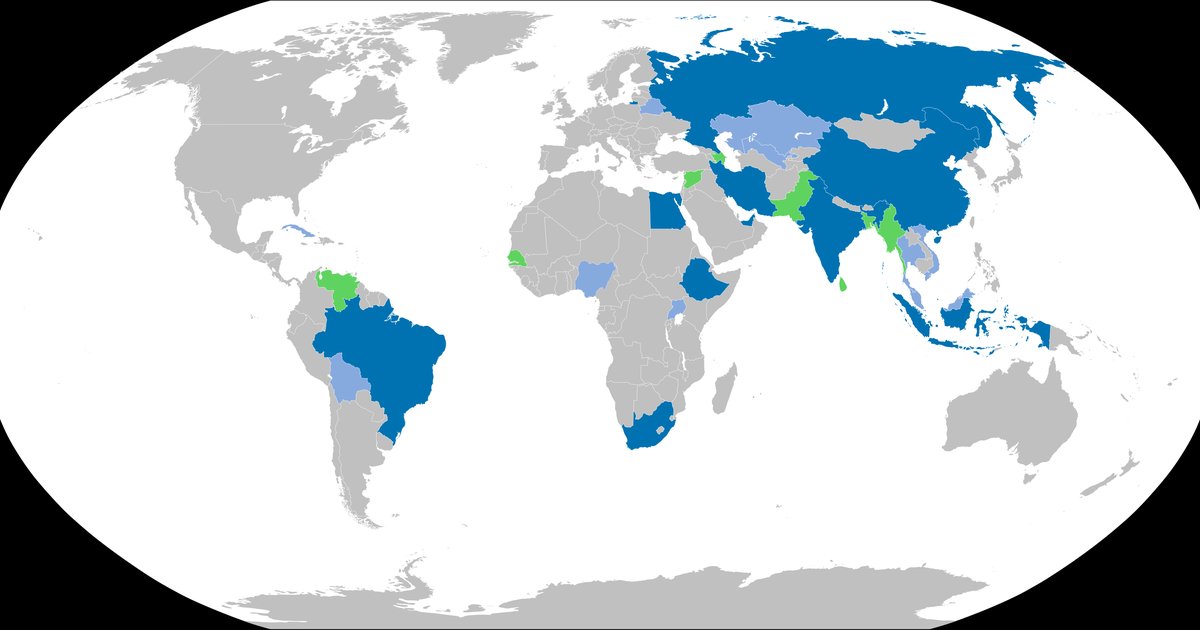
Vladimir Putin offered advanced Su-57 fighter jets to India on Wednesday at the St. Petersburg International Economic Forum, a move designed to test New Delhi's commitment to its expanding defense relationship with the United States. The offer comes as Russia seeks to counter deepening US-India strategic alignment through technology and military modernization. Putin simultaneously highlighted India's coding talent and called for closer BRICS technological cooperation, signaling a broader effort to lock India into Moscow's multipolar bloc.
Putin's Su-57 offer represents a deliberate challenge to US leverage in the Indo-Pacific. According to Reuters reporting from the forum, Putin framed the advanced fighter aircraft as a centerpiece of Russia-India defense cooperation, emphasizing Moscow's commitment to military modernization outside Western supply chains. The timing is deliberate: it lands as India navigates competing partnerships with both the US and Russia, each seeking exclusive or dominant positioning in New Delhi's security posture.
India has historically balanced Russian military dependence against Western partnerships, a equilibrium that is now under strain. Defense News reported in recent months that US officials have accelerated military technology transfers and joint exercises with India, part of a broader strategy to align New Delhi with the Quad framework. Putin's weapons offer, alongside his St. Petersburg rhetoric about India's technological prowess, signals Moscow is willing to deepen material commitments to keep India from full alignment with Washington.
The broader context is Russia's reassertion of technology leadership in response to Western sanctions and semiconductor constraints. At the same forum, Putin praised India's global standing in software development and positioned BRICS cooperation as a counterweight to Western tech consolidation. Nikkei Asia reported that Russia is accelerating efforts to integrate its defense industrial base with willing partners in Asia and the Global South, seeing India as a critical node in that network.
What emerges is a three-way competition for India's strategic orientation. The Su-57 offer, coupled with Russia's emphasis on technological partnership, frames India's choice not as ideology but as access—to advanced weapons, to non-Western tech ecosystems, to a multipolar economic bloc. Putin's messaging suggests Moscow believes India's balancing act can be sustained only if Russia raises the cost of exclusive US alignment. Whether India accepts the fighters remains uncertain, but the diplomatic move reveals that Russia sees its leverage in the Indo-Pacific increasingly concentrated in New Delhi rather than in broader regional alignments.