BRICS
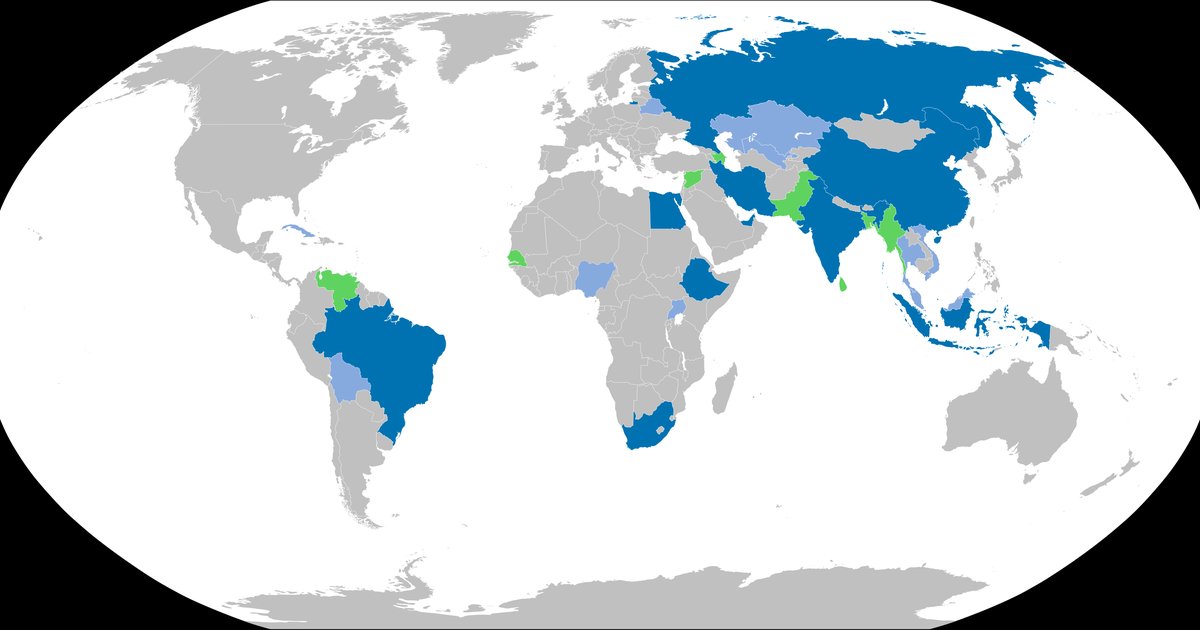
BRICS is a multilateral economic and political coalition comprising Brazil, Russia, India, China, and South Africa—representing approximately 3.5 billion people and over 30 percent of global GDP. Currently operating as a monitored tier-2 strategic bloc, BRICS functions as a counterweight to Western-dominated international institutions, pursuing alternative financial frameworks, trade mechanisms, and geopolitical alignments. Their significance derives from control over critical commodities, manufacturing capacity, and emerging market capital flows, positioning them as essential players in the ongoing multipolar reorganization of global power structures.
BRICS maintains a #30 ranking on the LeadersCartel Power Index with an 11.8 composite score, tracked across 39 active intelligence sources with a signal distribution of zero high-impact events, two emerging indicators, and zero watch-level threats. This monitored tier placement reflects stable but constrained influence—the bloc exhibits internal coordination challenges despite nominal strategic alignment. The presence of two emerging signals suggests incremental momentum shifts, likely driven by recent member state policy adjustments rather than institutional breakthroughs. The absence of high-impact signals indicates BRICS faces structural limitations in translating economic weight into decisive geopolitical action.
Recent headline activity centers on Brazil's presidential electoral dynamics and their implications for BRICS cohesion, with particular attention to how Brazil's political trajectory—whether leftward (Lula) or rightward (Bolsonaro-aligned movements)—affects bloc alignment. Concurrent reporting highlights strategic reorientation: Regional Trade and Economic Strategy developments are drawing Asian and African states closer to BRICS frameworks, suggesting incremental institutional expansion. Brazil's rightward trend carries direct consequences for India's strategic position within the bloc and broader coordination with China, potentially fragmenting consensus on economic integration initiatives.
Analysts should monitor Brazil's domestic political consolidation over the next 72 hours, particularly any statements clarifying BRICS participation under current leadership. The critical trigger event is whether India and Brazil jointly signal commitment to expanded BRICS membership drives—such announcements would indicate bloc strengthening and warrant immediate reassessment of the #30 ranking trajectory.