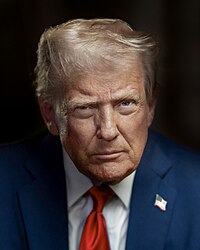
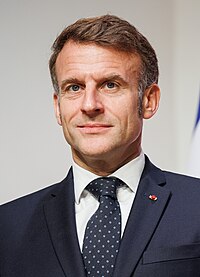
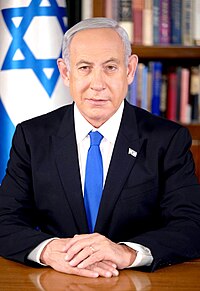
The Trump administration secured a 14-point framework with Iran on Thursday at the G7 summit in Italy, clearing final diplomatic hurdles despite a last-minute pushback from Prime Minister Netanyahu. The deal, brokered by Emmanuel Macron and supported by Italy and Switzerland, signals the first time a major US security agreement has advanced without explicit Israeli sign-off. The accord reopens the Strait of Hormuz and commits Iran to a permanent end to military action across regional theaters—a reversal from the 2018 withdrawal that left regional actors scrambling.
Netanyahu's opposition surfaced late Wednesday, according to Reuters reporting on June 12, with the Israeli prime minister calling the framework insufficient on nuclear safeguards and Lebanese Hezbollah disarmament. His objections did not derail the agreement, marking a departure from the unwritten veto Israel has historically exercised over US-Iran diplomacy. The decision to proceed without formal Israeli consent reveals a recalibration of US negotiating priorities: counter-terrorism cooperation with Israel remains intact, but regional de-escalation now takes precedence. White House officials have framed the move as necessary for broader Middle East stability, a position that widens daylight between Washington and Jerusalem on tactics.
Macron's central role in brokering the accord underscores France's reassertion as an independent diplomatic actor in Middle East affairs. Politico reported on June 13 that the French president leveraged the G7 platform to isolate Israel's objections, positioning the European consensus as the agreement's anchor. This signals a potential shift in how transatlantic partners negotiate security pacts: no longer requiring unanimous Israeli backing, but seeking consensus among the P5 and key regional intermediaries. Italy's Foreign Ministry confirmed support for the framework, cementing an EU-led diplomatic consensus that operates at some distance from the traditional Washington-Jerusalem axis.
The market reaction confirms capital's belief in the deal's durability. The Nikkei surged 4.77% and the DAX rose 1.76% on June 13, with energy and defense stocks leading gains across Asia and Europe. Brent crude eased 2.1% intraday before stabilizing, reflecting trader expectations that Hormuz reopening will add supply gradually rather than flood markets immediately. For its part, Iran has framed the agreement as a vindication of resistance and negotiating discipline, a narrative designed to satisfy domestic constituencies wary of perceived Western concessions.
What emerges from the G7 outcome is a reconfiguration of alliance leverage in Middle East policymaking. The US retains primacy as the framework's architect, but Macron's diplomatic centrality and the absence of a formal Israeli veto suggest a multilateral model is replacing bilateral US-Israel coordination on regional security. India's simultaneous partnership expansion with France, as reported by the Economic Times, reinforces this reading: non-aligned actors are positioning themselves to benefit from a less bipolar regional order. The question now is whether Netanyahu's public dissent signals deeper fracture in the US-Israel relationship or merely a tactical disagreement over sequencing and implementation.