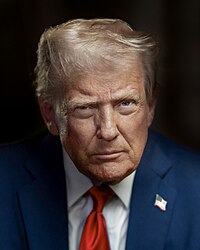
The United States and Iran signed a memorandum on June 16 resolving their nuclear dispute, clearing the Strait of Hormuz for unrestricted shipping and ending a decade of sanctions friction. The move follows Trump's March outreach to Tehran and marks a reversal of his prior maximum-pressure stance. The timing coincides with Russia's Kazan summit with ASEAN nations, where Moscow is consolidating an alternative trade corridor that routes ruble settlement and oil-denominated commerce away from Western clearing systems.
The agreement removes the immediate threat of escalation that had dominated markets since Israel's Lebanon operations in spring. According to Reuters reporting on June 16, the memorandum includes Iranian commitments on ballistic missile transparency and US commitments to lift remaining secondary sanctions on Iranian financial institutions. The Strait of Hormuz, which carries roughly 20 percent of global oil trade, was partially congested under uncertainty about enforcement. Trump's statement that Iran lacks 'unfair' disadvantages in weaponry signals acceptance of a regional balance rather than a containment strategy—a departure from Biden-era doctrine that roiled Gulf energy markets.
Giorgia Meloni's proposal for a single European envoy to negotiate with Russia, reported by Politico on June 15, suggests a coordinated diplomatic shift that parallels the Iran opening. The Italian PM's move signals that European capitals are recalibrating assumptions about the durability of Western sanctions regimes. Meloni has positioned Italy as a bridge between EU institutions and Moscow, a stance that gains credibility if US policy itself is now moving toward settlement rather than indefinite containment. To be sure, Brussels maintains that sanctions remain in place pending Ukrainian territorial gains, but the diplomatic infrastructure being built now suggests negotiating timelines are shifting.
Russia's consolidation of its ASEAN trade corridor at the Kazan summit, first reported by TASS, is the second-order consequence. With Hormuz reopening, Iranian crude will flow again into Asian refinery networks. Moscow simultaneously offers ruble-priced energy contracts to ASEAN members, creating an alternative to dollar settlement. Nikkei Asia reported on June 15 that Malaysia and other Southeast Asian buyers are integrating into Russian supply chains at accelerating pace. The combination—Iran's return to markets plus Russia's ruble-corridor push—creates a reinforcing mechanism for financial decoupling that Western enforcement, even if sustained, cannot easily reverse.
What matters geopolitically is not the Iran deal itself but the signal about American negotiating priorities. The agreement suggests the Trump administration views a stable, settled Middle East as preferable to containment, and is willing to trade sanctions leverage for reduced escalation risk. This positioning strengthens Moscow's hand in its own negotiation timeline with the West over Ukraine. If the US is signaling that endless sanctions regimes are unsustainable and that regional powers can negotiate their way out, Russia gains diplomatic credibility in similar talks. Meloni's envoy proposal and the Kazan summit timing are not coincidental; they reflect an emerging consensus that the post-2022 sanction architecture is eroding.
Oil markets priced this development at a 3.5 percent decline in WTI crude, reflecting the expectation of Iranian barrels returning to global supply. But the deeper strategic shift—toward a world where the US, EU, and Russia are negotiating regional settlements rather than hardening blocs—is the story that will define capital allocation over the next 18 months. Alliance cohesion, not commodity prices, is the foreground.