Iran fired at least three missiles into the Gulf on July 15, with Jordanian air defenses intercepting multiple rounds as US strike operations expanded across Iranian territory, according to Reuters. The simultaneous escalation by both powers is forcing regional actors—Saudi Arabia, the UAE, and Jordan chief among them—to signal shifting risk positions. This marks the first time in a decade that synchronized military action across the Gulf has tested the alignment of Arab states without clarity on how far either side intends to push.
US operations have broadened beyond military targets into civilian infrastructure, with strikes reported on Iranshahr Airport, bridges, and railway stations, according to France24 reporting on July 15. This shift from precision strikes to infrastructure damage signals an intent to impose costs on Iranian logistics and movement—a ratchet upward that typically precedes sustained conflict. Regional allies, however, are displaying uneven tolerance for the escalation. Saudi Arabia has maintained public silence, a posture that itself signals caution about appearing too aligned with US operations.
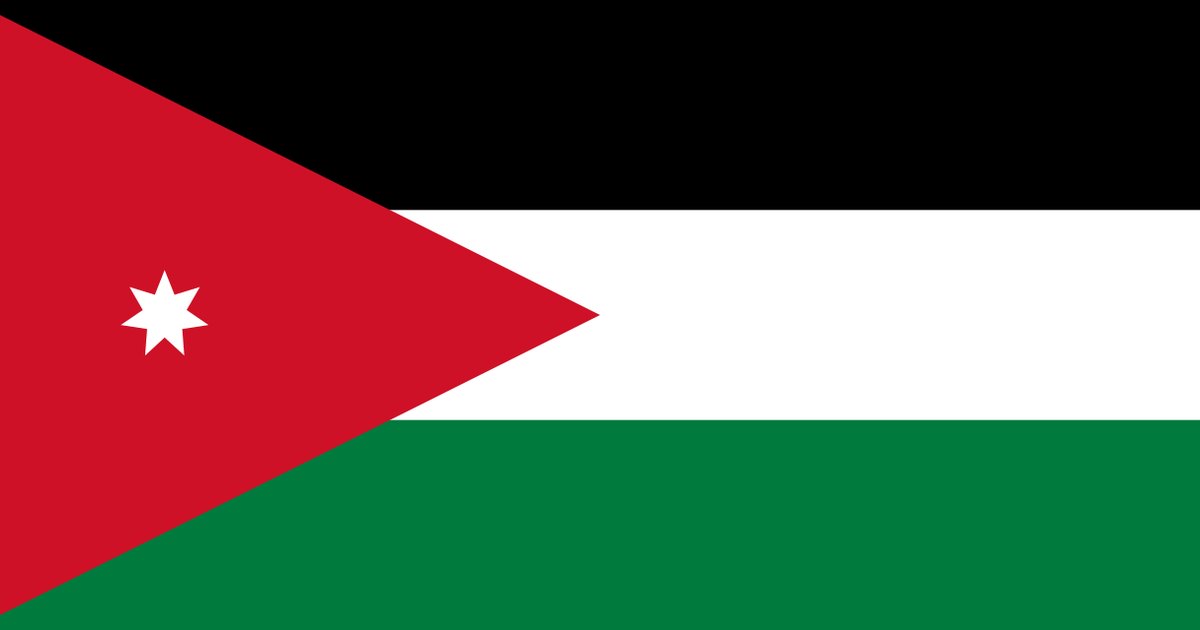
Jordan's decision to deploy air defenses and publicly intercept Iranian missiles represents a more direct commitment to regional coalition than Gulf Arab states have offered. According to Al Jazeera, Jordan announced the interceptions explicitly, framing them as defensive action rather than alignment with US offensive operations. This distinction matters: Jordan is signaling it will defend its territory without endorsing the broader US campaign. For Zelensky and NATO, the parallel question—how far allied commitment extends—is equally urgent but unresolved in messaging from Riyadh and Abu Dhabi.
Gold markets fell on the week despite Hormuz tensions, a sign that traders are pricing in limited escalation beyond current operations. According to Bloomberg Markets reporting, gold headed for a weekly decline as rising expectations of US interest-rate decisions offset the typical safe-haven bid from Middle East conflict. This suggests capital is not yet pricing a sustained regional war but rather a contained crisis. To be sure, Iran has framed its strikes as retaliation for prior US actions, a narrative Tehran uses to claim proportionality rather than aggression—a claim that does not alter the military facts but shapes how regional actors justify their own postures to domestic audiences.
The deeper shift is structural. For two decades, Saudi Arabia and the UAE anchored US strategy in the Gulf; their alignment was the baseline assumption. If both powers are now hedging—Saudi silence, UAE restraint—it signals doubt about whether the US security umbrella remains the dominant calculus. Russia and China, watching from outside, are likely noting that traditional Arab-US alignment is showing stress at precisely the moment when US attention is divided between Europe, Asia, and domestic elections. This creates space for non-aligned positioning in a region where non-alignment has been rare.
The next 72 hours will clarify whether this escalation is a contained exchange or the opening phase of sustained conflict. Iran's demonstrated ability to launch missiles at scale, and Jordan's demonstrated will to defend them, establish a new baseline for what regional actors expect from each other. If US strikes continue without provoking a second Iranian salvo, the crisis may stabilize within days. If Iran launches again, the fracturing of Arab consensus will accelerate sharply.