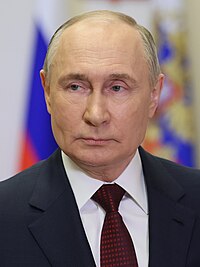
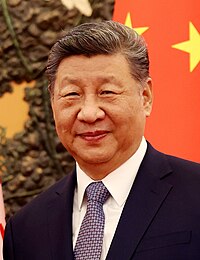
Vladimir Putin and Xi Jinping are scheduled to meet in Bishkek this week to advance Power of Siberia 2 pipeline negotiations, a move that deepens energy integration outside Western financial systems. The timing coincides with visible strains in the Western alliance: Denmark has suspended residency permits for mobilization-age Ukrainians, signaling doubts about Ukraine's long-term viability, while Niger's military junta faces internal palace attacks that appear to be strengthening Russia's position in West Africa. Together, these developments suggest that sanctions-evasion infrastructure is consolidating on one axis while Western unity is fragmenting on another.
The SCO summit in Bishkek provides cover for the Putin-Xi meeting, which focuses on finalizing a second major gas corridor to China. According to reporting from Nikkei Asia, the pipeline deal would bypass existing Western-controlled shipping routes and settlement channels, creating an alternative infrastructure for Eurasian energy trade. Power of Siberia 2 would carry up to 50 billion cubic meters annually, effectively locking Russia's hydrocarbon exports into non-dollar transactions. This represents a formal architectural shift in how Moscow and Beijing manage their economic relationship under sanctions pressure.
The meeting also signals confidence that neither party faces imminent pressure to reverse course. Reuters reported on August 27 that Chinese state enterprises have accelerated purchases of Russian crude and LNG over the past quarter, while new joint ventures in shipping and refining are being registered in jurisdictions outside US Treasury tracking. For Moscow, the energy deal offers both immediate hard-currency stability and a long-term hedge against European diversification away from Russian gas—a process already underway but now explicitly countered by an Asian-focused export strategy.
Simultaneously, Western cohesion is showing visible strain. Denmark's decision to suspend residency permits for Ukrainians of mobilization age reflects Copenhagen's assessment that Ukraine cannot sustain its military position indefinitely, according to statements attributed to Danish officials by the BBC. To be sure, Denmark maintains its commitment to Ukraine's sovereignty and has not withdrawn other support; however, the residency suspension signals that even NATO's northern tier is beginning to price in longer military timelines and uncertain outcomes. This mirrors earlier hesitation from other European states over open-ended commitment levels.
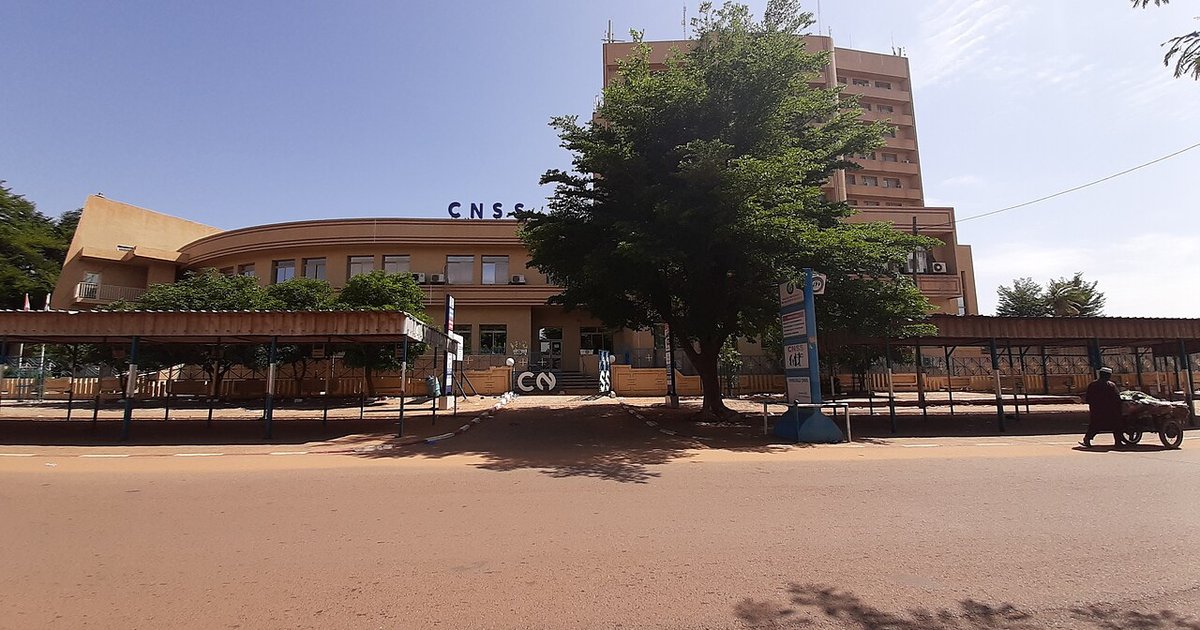
In West Africa, Niger's military junta is experiencing internal fractures that appear to be creating space for deeper Russian engagement. Palace attacks and reported purges within the military hierarchy suggest institutional instability, according to multiple outlets covering the Sahel. These divisions are widely viewed as opportunities for Russian private military contractors and state actors to consolidate influence in a region where Western presence has already declined sharply. The combination of internal military factionalism and external great-power competition creates a governance vacuum that favors actors willing to operate without Western legal constraints.
The strategic reading is clear: Moscow and Beijing are building parallel institutions—energy infrastructure, shipping networks, and financial mechanisms—that operate independently of US-led sanctions regimes. Simultaneously, Western partners are beginning to acknowledge (through Denmark's move, through the Zelenskyy administration's own recent diplomatic outreach) that the conflict trajectory is shifting and that indefinite commitment may not be sustainable. The result is a gradual but observable rebalancing of great-power positioning, with sanctions-evasion architecture hardening even as Western alliance consensus softens.