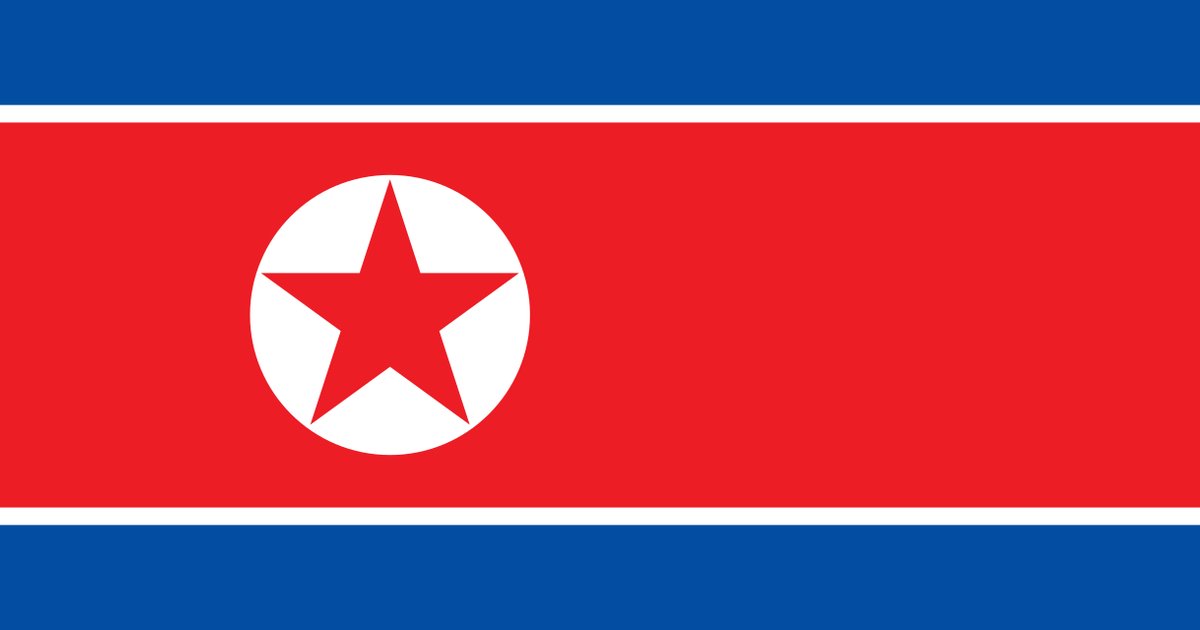
North Korea has commissioned a second destroyer and deployed a damaged warship for operational use, moves coordinated with Russian military planning, according to defense officials cited by Reuters on September 5. The concurrent escalation in US-South Korea-Japan military drills marks a tactical sharpening of the US alliance structure in Northeast Asia, even as North American trade tensions fracture Washington's broader coalition coherence.
The North Korean naval expansion reflects a deliberate integration into Russia's strategic posture ahead of wider conflict in Europe. Moscow has been deepening military coordination with Pyongyang, according to Kyodo News reporting in late August, in moves that tie North Korea's weapons systems to Russian operational planning. The commissioning of a second destroyer—alongside the deployment of a previously damaged vessel now restored for service—suggests North Korea is expanding its force projection capacity. This is not mere capacity-building; it signals that Pyongyang is accepting a subordinate but operationally relevant role in a Russia-led coalition.
Washington has responded by densifying the US-Japan-South Korea military architecture. The trio launched joint drills precisely as North Korea's second destroyer entered service, according to defense ministry statements reported by Nikkei Asia on September 4. The timing was deliberate. These exercises represent the thickest operational integration of the three powers since the Trump administration took office in January 2025, signaling that the alliance framework is consolidating despite broader tariff pressures elsewhere.
To be sure, Pyongyang has framed its military development as a defensive response to what North Korean state media describes as hostile US-led exercises. But the coordination timeline with Russian military logistics, first reported by Jane's Defence Weekly in early September, undermines this narrative. The US alliance is responding to a clearly coordinated Moscow-Pyongyang axis, not to independent posturing. This appears to be reshaping how Washington allocates deterrence resources across the Indo-Pacific.
The fracture in North American trade relations—with Canada escalating tariff retaliation under Mark Carney's leadership, as reported by Bloomberg on September 5—has not yet broken the Japan-US security commitment. But it signals that Washington's political capital is already strained. The pivot to a tighter Asia-Pacific military posture suggests US strategists believe they cannot sustain both a trade conflict with Canada and a deterrence posture against China without choosing priorities. The alliance deepening in Northeast Asia indicates which priority has won out.
What matters now is whether this military consolidation can hold if trade tensions with Tokyo itself intensify. Japan remains dependent on US security guarantees while facing its own tariff exposure. The durability of the US-Japan-South Korea axis depends on Washington's willingness to decouple security commitments from trade pressure—a separation that has already failed in the Canada case. For now, the drills suggest commitment. Whether commitment survives the next round of trade escalation remains uncertain.