The G20 abandoned its traditional group photograph on October 29 after European nations blocked Russian Foreign Minister Sergey Lavrov's participation, marking the clearest rupture in multilateral diplomacy since the Ukraine invasion. The decision, led by Germany and supported by allied capitals, exposes the Trump administration's inability to maintain even symbolic coordination among Western powers. The collapse coincides with Washington's refusal to lift sanctions on Russian direct investment despite Moscow's repeated overtures, hardening the alliance rift.
The photograph cancellation was unprecedented. According to Reuters reporting from New Delhi on October 29, India's G20 presidency proposed dropping the formal group image entirely rather than photograph Lavrov without Western delegations, a step that would have deepened the visual fracture. The move reflects what Politico sources described as a deliberate choice by Berlin and Brussels to prevent any optic of normalcy. What matters analytically: this is not a procedural compromise. It is Europe signaling that the diplomatic infrastructure of the past three decades—built on the assumption of managed great-power competition—has lost its binding authority.
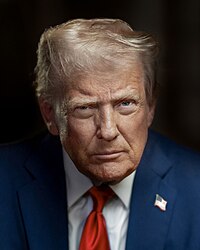
The underlying driver is Trump's refusal to recalibrate sanctions architecture. State Department officials confirmed to Bloomberg on October 28 that Washington has declined to lift restrictions on Russian direct investment flows, reversing what Moscow had positioned as a confidence-building measure. The signal to the Kremlin is unambiguous: the administration will extend military support to Ukraine—approving $2.1 billion in Patriot missile systems on October 27, according to TASS—while simultaneously blocking economic reintegration. This dual posture collapses the traditional negotiating space where diplomatic progress trades off against economic concession.
Europe has responded by abandoning the fiction of multilateral consensus. To be sure, Russia has consistently framed Western sanctions as unprovoked aggression, a position European officials reject as incompatible with Ukraine's sovereignty. But the G20 rupture signals that capitals from Berlin to Paris no longer believe Washington is negotiating toward a settlement. The photograph dispute is therefore not about Lavrov's presence; it is about whether the West retains enough cohesion to maintain a single diplomatic table. On October 29, New Delhi's answer was no.
The broader implication is that Trump has narrowed his own coalition. By refusing sanctions relief while extending lethal aid, the administration has eliminated the middle option that might have held European capitals in alignment. NATO's secretary general held separate defense talks with Saudi Arabia on October 28, a visible sign that allied capitals are exploring bilateral channels rather than multilateral frameworks. The result: US negotiating leverage with Moscow has contracted rather than expanded. Russia now faces unified military support from the West alongside unified rejection of economic reintegration—the precise configuration that hardens rather than softens Moscow's strategic position.