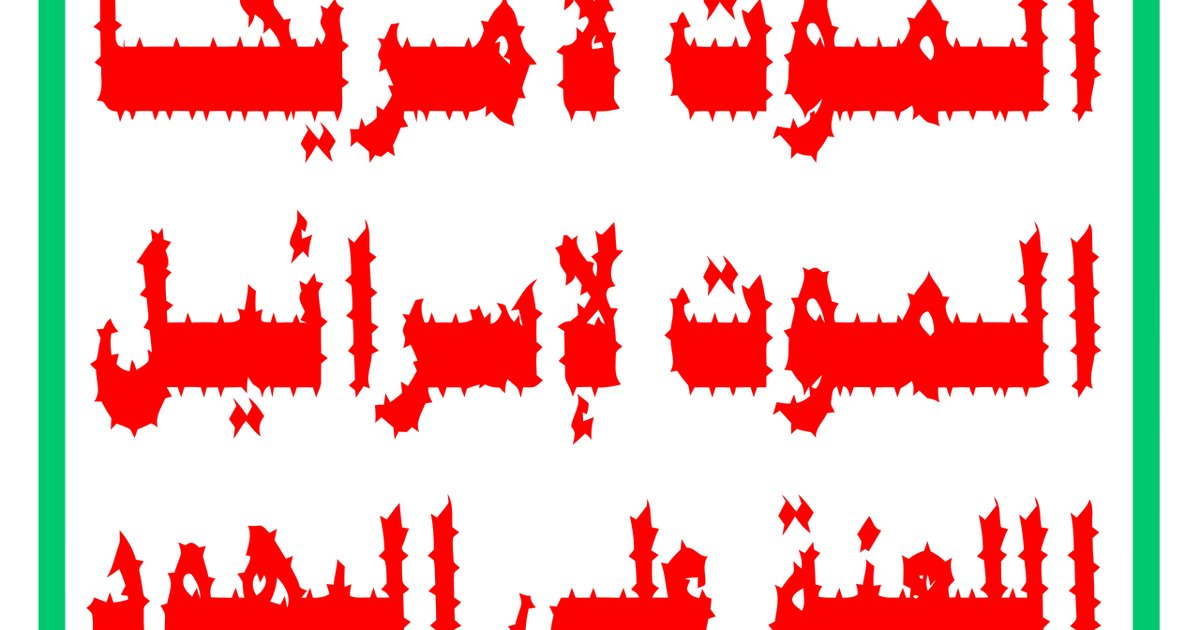
A secret $1 billion agreement between Saudi Arabia and the Houthis, negotiated through Iranian intermediaries, has been exposed, according to reporting on October 26. The deal contradicts Tehran's public posture of regional escalation and suggests Iranian leadership is simultaneously pursuing de-escalation channels with Gulf states. The revelation exposes a fracture in Iran's stated strategy and reorders calculations across regional power brokers.
The agreement, first detailed by regional sources and confirmed by multiple outlets, establishes a direct financial arrangement between Riyadh and the Houthi militant group, with Tehran serving as the mediating party. According to Al-Monitor reporting, the deal aims to reduce cross-border Houthi attacks on Saudi infrastructure and port facilities in exchange for cash payments and sanctions relief promises. The transaction reveals that Iran's posture toward the Gulf has shifted from public confrontation toward structural negotiation—a move that fundamentally alters US and Arab assumptions about Tehran's regional intentions.
Qatar has emerged as a second diplomatic fulcrum, escalating its own mediation pressure and demanding Iran demonstrate goodwill by reopening the Strait of Hormuz and halting regional proxy threats, according to reporting by Bloomberg on October 25. This dual-track diplomacy—Saudi Arabia negotiating quietly while Qatar demands public concessions—suggests Gulf states are testing Tehran's actual appetite for de-escalation rather than accepting its rhetoric at face value. The Qatari demand effectively creates a litmus test: if Iran accepts, de-escalation becomes credible; if Iran refuses, the diplomatic opening collapses and regional actors reposition toward containment.
To be sure, Tehran has consistently framed its regional activities as defensive responses to US sanctions and what officials characterize as Western military encroachment. The simultaneous pursuit of secret deals and public escalation is a deliberate strategy: Tehran maintains deterrence signaling while pursuing structural agreements that reduce conflict costs. The wager is that regional actors will prioritize commercial stability over ideological positioning.
The emergence of this architecture—Saudi-Iran negotiation, Qatar mediation, Turkey's assumed involvement in multi-party talks—indicates that US-led regional structures are losing their binding power over Gulf diplomacy. Energy markets have absorbed this development with moderate reaction: Brent crude rose 1.65% on session, but the modest move suggests traders view the deal as conflict-reduction rather than supply disruption. The more significant shift is structural: Iran has signaled it will negotiate directly with regional rivals outside US framework, and Saudi Arabia has accepted that channel. This reordering of diplomatic gravity away from Washington and toward intra-Gulf channels is the story—not the deal's financial terms.