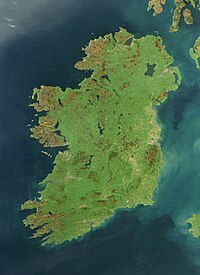
Ireland
# INTELLIGENCE DOSSIER: IRELAND
Ireland is a European nation-state and EU member strategically positioned at the intersection of transatlantic commerce, digital infrastructure, and energy security. Its significance derives from hosting major multinational corporations, serving as a critical node in European supply chains, and maintaining geopolitical influence disproportionate to its population. Ireland's government stability directly impacts tech sector confidence, foreign direct investment flows, and EU policy coordination on regulatory matters affecting global markets.
Ireland currently ranks 59th on the LeadersCartel Power Index with a composite score of 2.0 from 935 monitored intelligence sources. The jurisdiction operates in "monitored" tier status with signal distribution of 3 high-impact indicators, zero emerging signals, and zero watch-list items, suggesting concentrated but stable influence patterns. This mid-range positioning reflects Ireland's constrained soft power relative to major economies, though the three active high-impact signals indicate episodic spikes in relevance. The stable signal profile suggests neither accelerating nor declining trajectory, typical of mature developed economies with predictable policy frameworks.
Three critical developments emerged this week with direct governance implications. Fuel price protests have expanded across Northern Ireland, creating cross-border economic friction and testing Dublin's coordination capacity with Westminster authorities. Simultaneously, Ireland's government faces a possible no-confidence vote, introducing domestic instability that could delay EU legislative alignment and weaken negotiating positions on digital taxation policies. The approval of Axel Springer's acquisition of POLITICO by UK regulators signals media consolidation affecting Irish press coverage and journalistic independence regarding government accountability.
Analysts should monitor the confidence vote timeline and its impact on government continuity through the 72-hour window. The specific trigger event requiring immediate assessment is any government collapse resulting in snap elections, which would create policy vacuum during critical Q1 EU infrastructure negotiations and potentially destabilize Irish technology sector sentiment.