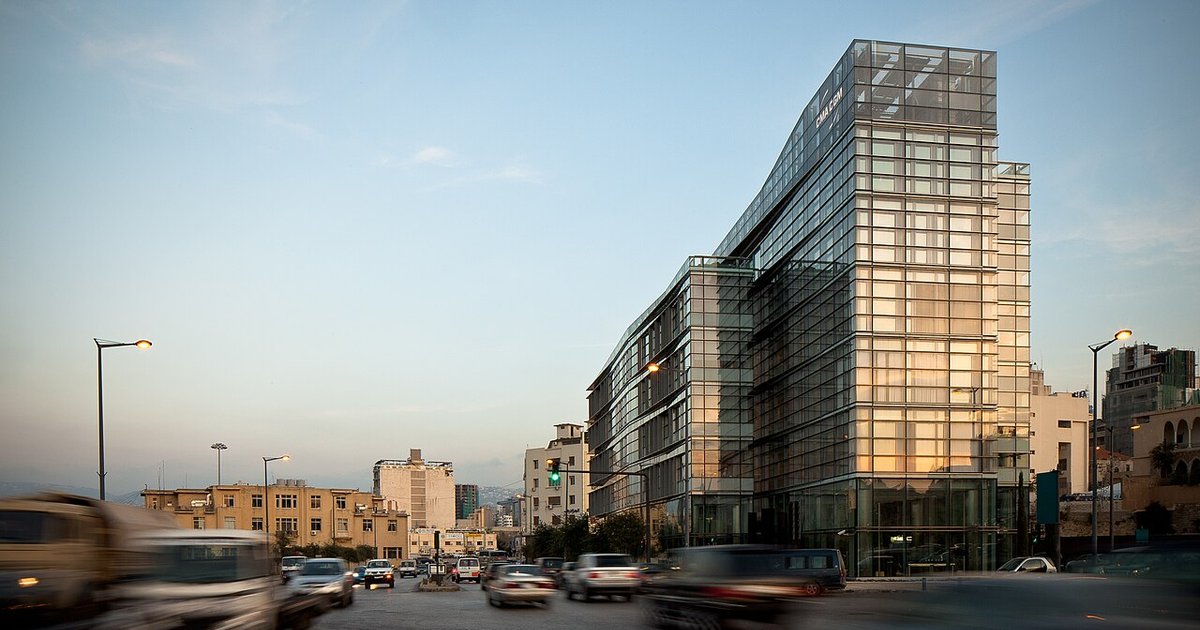
CMA CGM
INTELLIGENCE DOSSIER: CMA CGM
CMA CGM is a French multinational shipping and logistics company headquartered in Marseille, currently ranking as the world's third-largest container shipping operator by fleet capacity. The organization maintains critical infrastructure across global maritime trade, controlling approximately 700 vessels and operating the largest LNG-powered container fleet in the industry. Their significance stems from dominance over East-West trade corridors, particularly the Asia-Europe route which channels approximately 20 percent of global containerized commerce. As a private company founded by the Saadé family, CMA CGM operates as both strategic asset and vulnerability point for Western supply chains, with particular exposure to geopolitical tensions in high-value maritime chokepoints.
CMA CGM currently ranks 131 on the LeadersCartel Power Index with a monitored-tier score of 2.7, tracked across 127 intelligence sources with signal distribution of 0H/2E/0W indicating emerging rather than high-impact activity. This placement reflects the organization's operational resilience despite recent strategic pressures. The emerging signal concentration suggests vulnerability rather than declining influence; CMA CGM maintains stable logistics market share but faces elevated risk exposure. The monitored classification indicates analysts should track company decisions closely without immediate escalation concerns. Their position remains stable due to operational diversification and government support from France, though geopolitical dependencies present downside risk.
Recent developments crystallize emerging vulnerabilities. CMA CGM's vessel sustained direct missile strike in the Hormuz Strait, signaling elevated maritime security risks affecting their premium Asia-Europe corridor operations. CEO Rodolphe Saadé publicly acknowledged potential vessel scrapping outcomes, indicating economic pressure and insurance complications. Simultaneously, CMA CGM deployed the world's largest LNG-powered container ship on the Asia-Europe route, demonstrating capital commitment despite security deterioration. These signals conflict directionally: operational expansion against tactical losses suggests strategic confidence amid tactical uncertainty.
Analysts should monitor three potential triggers over 48-72 hours: escalation of maritime incidents affecting their Gulf operations, insurance market response to Hormuz exposure, and government intervention by France or EU regarding compensation. Watch specifically for additional vessel incidents or formal route diversification announcements, which would indicate strategic pivot away from Suez-dependent corridors. These developments would mater