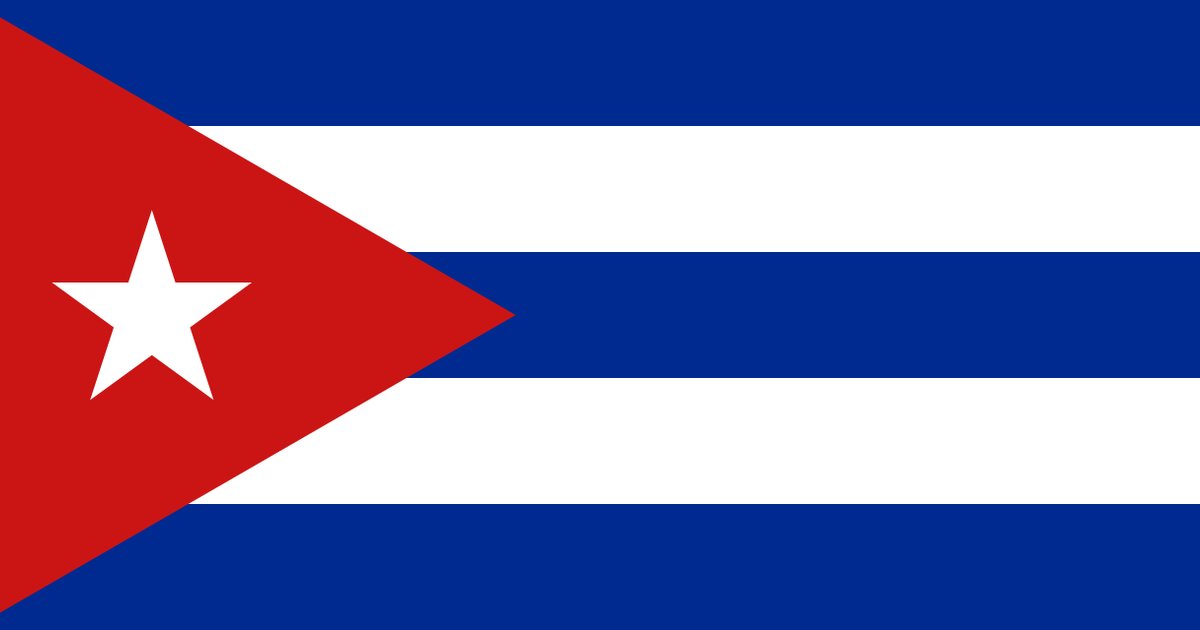
Cuba
CUBA INTELLIGENCE DOSSIER
Cuba is a Caribbean nation-state currently governed under a single-party communist system, positioned as a strategic flashpoint in US-Latin American relations and a key geopolitical actor in hemispheric power dynamics. Despite its limited economic capacity, Cuba maintains outsized significance due to its geographic proximity to the United States, its historical role as a Cold War proxy battleground, and its current status as a sustained challenge to American regional hegemony. Under the Trump administration's return to the White House in January 2025, US-Cuba policy has entered a critical reassessment phase. Cuba's relevance transcends conventional economic metrics; it represents ideological continuity in a region experiencing democratic flux and serves as a testing ground for sanctions regimes and humanitarian intervention debates.
Cuba currently ranks 240th on the LeadersCartel Power Index with a score of 1.4, indicating diminished but monitored geopolitical influence tracked across six intelligence sources. The signal distribution reveals one emerging indicator and one watch-level alert with no high-impact signals active, suggesting structural decline rather than acute crisis escalation. This placement reflects Cuba's constrained hard power capacity, limited economic resources, and reduced international diplomatic reach. The "monitored" tier classification indicates sustained analyst attention despite low absolute power scores, reflecting Cuba's persistent friction with US interests and unpredictable policy vectors under the current administration.
Intelligence signals this week emphasize cascading humanitarian deterioration within Cuba's borders. Reports detail an accelerating energy crisis with widespread blackouts affecting civilian populations, compounded by critical shortages in food accessibility and pharmaceutical access. The signal cluster attributes these pressures directly to US embargo mechanisms and secondary sanctions regimes targeting Cuba's energy infrastructure and import capacity. These developments represent not new phenomena but accelerating velocity of existing structural vulnerabilities, suggesting the humanitarian situation has crossed from chronic to acute phase.
Analysts should monitor Trump administration posture on Cuba sanctions policy over the next 72 hours, particularly whether the incoming administration signals policy continuity or escalation. The specific trigger event warranting immediate alert: any official announcement from the State Department or Treasury Department regarding new sectoral sanctions targeting Cuba's energy sector would indicate policy hardening and likely trigger additional humanitarian deterioration cascading through Caribbean regional stability assessments.