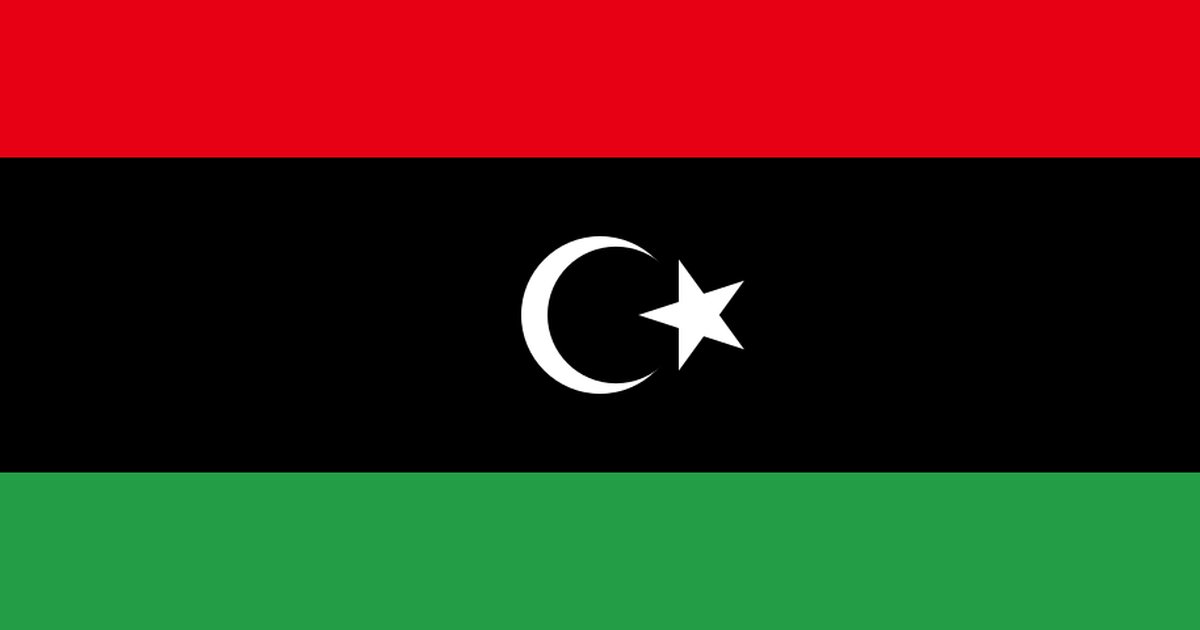
Libya
LIBYA INTELLIGENCE DOSSIER
Libya is a North African nation-state currently functioning as a fragmented political entity with competing eastern and western authorities. As the world's ninth-largest proven oil reserve holder and a Mediterranean geopolitical flashpoint, Libya's instability directly impacts European migration patterns, African regional security, and global energy markets. The country's strategic significance has intensified under current US leadership's Middle East realignment, particularly as the Trump administration recalibrates counterterrorism priorities and energy dependencies post-2024 sanctions reviews.
Libya's LeadersCartel Power Index ranking of 123 reflects a declining governance capacity trajectory, with a composite score of 3.3 indicating severe institutional fragmentation. Intelligence aggregation across ten distinct sources shows signal distribution weighted toward emerging concerns (4E-tier) and watch-level developments (0W), with minimal high-impact signals (0H), suggesting deteriorating rather than stabilizing conditions. This tier composition reveals a nation-state whose influence pool contracts as internal authority fractures deepen, pushing Libya toward peripheralization in regional power calculations despite its resource endowment.
Three critical developments emerged this reporting period. Eastern Libyan authorities are conducting extrajudicial executions according to international rights documentation, signaling abandonment of procedural legitimacy. Concurrent intelligence confirms systematic capital trials involving coerced confessions, indicating state security apparatus weaponization against political opposition. UN Security Council engagement citing "encouraging progress" creates analytical dissonance, suggesting diplomatic pressure may accelerate rather than moderate repressive cycles as authorities consolidate territorial control through force.
Analysts should monitor the next 72 hours for Security Council enforcement mechanisms and whether the Trump administration signals explicit support for either eastern or western Libyan factions. Watch for oil production disruptions if eastern authorities weaponize energy infrastructure. The critical trigger event: any escalation in mass detention announcements would indicate systematic consolidation strategy requiring immediate diplomatic response coordination with European allies.