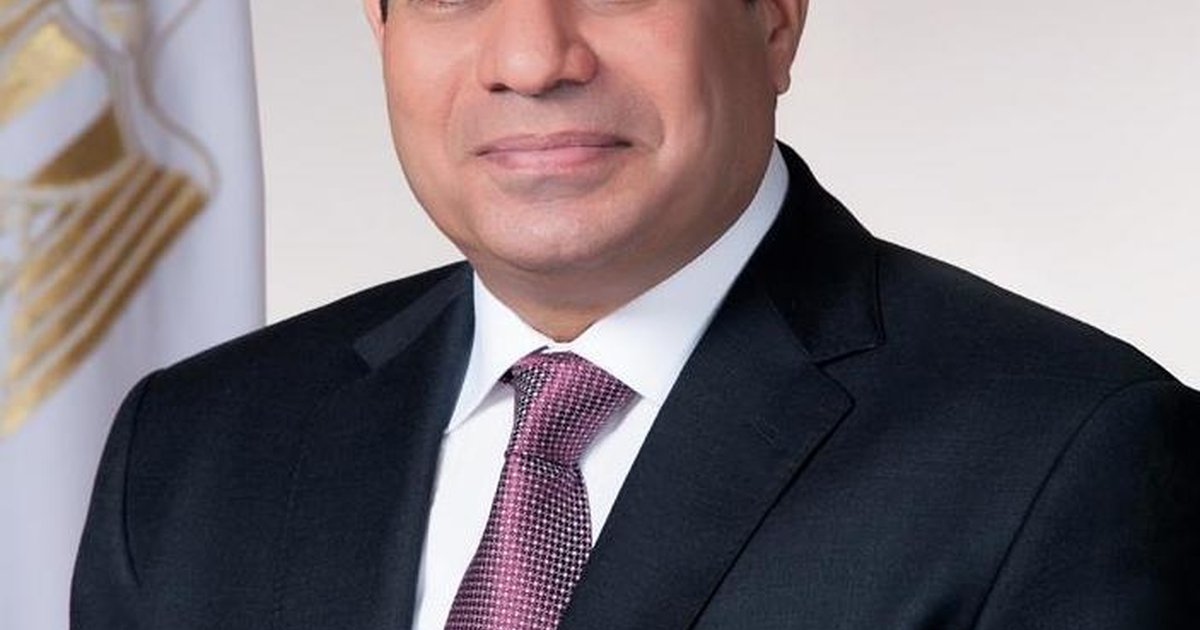
Abdel Fattah el-Sisi
INTELLIGENCE DOSSIER: ABDEL FATTAH EL-SISI
Abdel Fattah el-Sisi is the current President of Egypt, a position he has held since 2014 following his election after the 2013 military intervention. As commander of the Arab world's third-largest military and leader of a 110-million-person nation controlling the Suez Canal—through which 12 percent of global trade passes—Sisi remains a critical pivot point in Middle Eastern geopolitics. Egypt's strategic location between Africa and Asia, combined with its military capabilities and regional diplomatic reach, makes Sisi's foreign policy alignment particularly significant for US interests, Gulf stability, and Israeli security calculations.
Sisi's LeadersCartel Power Index ranking of 114 reflects a monitored tier status with a stability-weighted score of 2.7, tracked across 85 intelligence sources. His signal distribution shows 1 high-impact signal, 0 emerging indicators, and 0 watch-level alerts, suggesting consolidated but not expanding influence. This positioning indicates Sisi maintains steady regional authority without demonstrating dynamic momentum; his power derives from institutional control and military-based legitimacy rather than growing international leverage. The stable signal pattern reflects his consistent security-first governance model and established bilateral relationships rather than recent escalation or decline.
Recent signals show Sisi publicly pledging Egypt's military support to Saudi Arabia following Houthi drone and missile attacks on Saudi infrastructure. Three headlines confirm Egypt is positioning fighter assets, naval vessels, and air defense systems for potential deployment in defense of Gulf territory without directly entering the Yemen conflict. This stance balances three competing pressures: maintaining the US-Saudi relationship (critical for Egypt's $1.3 billion annual military aid), protecting the Red Sea corridor vital to Egyptian revenue, and avoiding the quagmire of Yemen's internal conflict where Egypt lacks strategic interests.
Analysts should monitor whether Sisi formally commits Egyptian air assets or naval blockade participation against Houthi-controlled Red Sea positions within 72 hours. Watch for signals from Tel Aviv, New Delhi, or Ankara—all linked entities with whom Sisi maintains security dialogues—indicating coordinated regional response escalation. The critical trigger is any Houthi strike directly damaging Suez Canal infrastructure