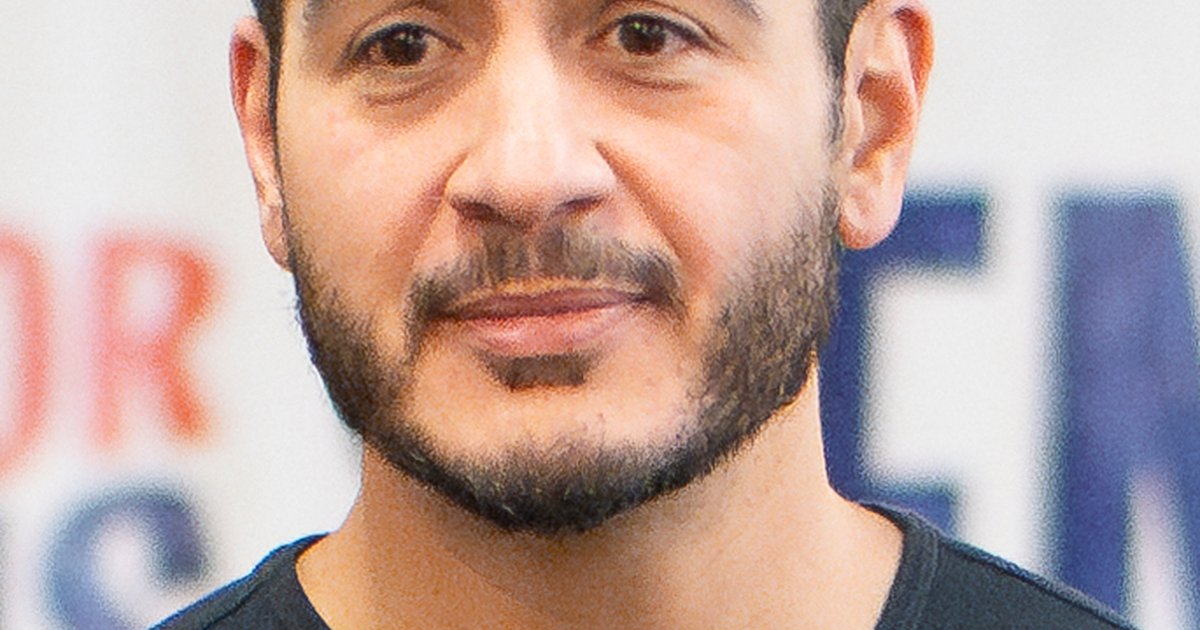
Abdul El-Sayed
INTELLIGENCE DOSSIER: ABDUL EL-SAYED
Abdul El-Sayed is a United States political figure and public health advocate currently operating as an influential voice in Democratic politics and progressive healthcare policy discourse. His strategic significance derives from his position as the first Muslim-American elected to national office and his role bridging Democratic establishment networks with younger, progressive voter coalitions. El-Sayed's platform commands substantial media attention across healthcare reform, economic justice, and interfaith dialogue initiatives, positioning him as a potential future candidate for higher federal office and a symbolic figure in American electoral politics.
El-Sayed maintains a monitored tier ranking at position 106 on the LeadersCartel Power Index with a stability score of 3.4, tracked across 831 active intelligence sources. His signal distribution reflects 0 high-impact signals, 3 emerging signals, and 0 watch-level indicators, suggesting a consolidating rather than rapidly ascending profile. The rank placement reflects his current influence ceiling within Democratic networks, though his emerging signal volume indicates sustained relevance among progressive constituencies and mainstream media outlets amplifying his messaging on healthcare and economic policy.
Three concurrent signal developments demand attention. First, misleading claims circulated falsely designating El-Sayed as the first Muslim elected to the U.S. Senate, inflating his actual position and creating factual confusion in news cycles. Second, a viral social media incident regarding his "Shawarma law" versus "Sharia law" comments generated significant engagement, testing his communication discipline on religiously sensitive topics. Third, opposition researchers have linked him rhetorically to Trump's "terrorist" accusations, placing him directly in crossfire between incumbent administration rhetoric and Democratic defense narratives.
Over the next 72 hours, monitor whether Trump administration officials escalate targeting against El-Sayed as a visible Muslim political figure, particularly following recent executive actions affecting immigration and faith-based constituencies. Track whether El-Sayed responds defensively or pivots toward coalition-building messaging. The specific trigger event: any public statement from Trump or his communications apparatus directly naming El-Sayed in terror-related context would signal intentional marginalization of Muslim Democratic voices preceding 2026 midterm positioning.