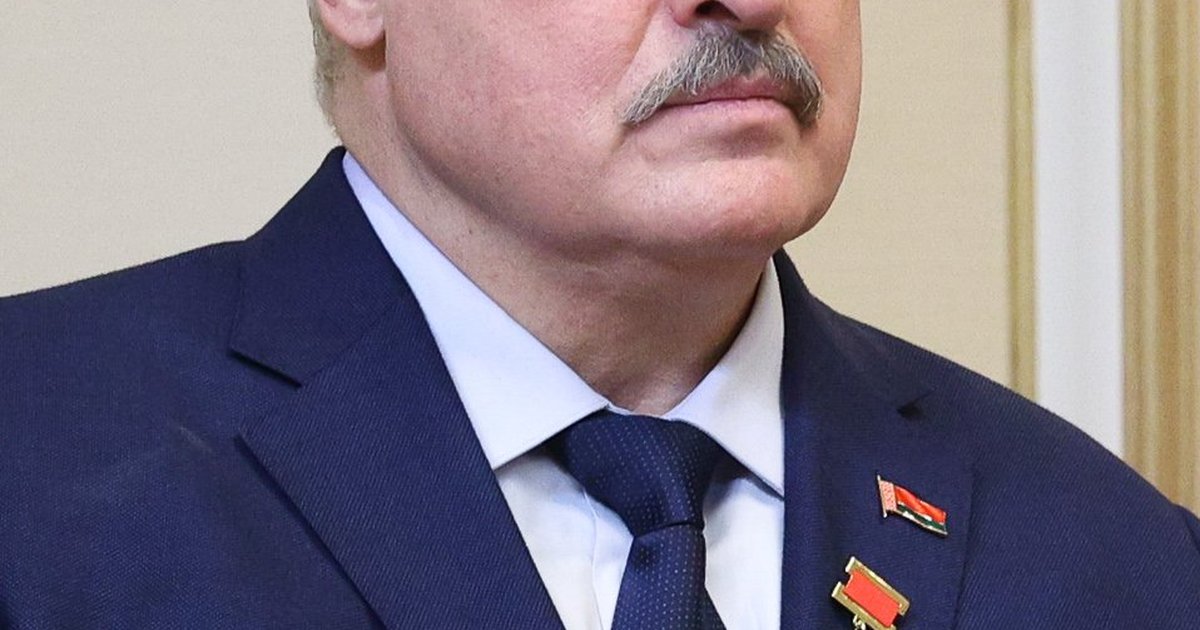
Aleksandr Lukashenko
# INTELLIGENCE DOSSIER: ALEKSANDR LUKASHENKO
## CLASSIFIED — SENIOR ANALYSTS ONLY
Aleksandr Lukashenko is the current President of Belarus, a post-Soviet state positioned as a critical buffer between NATO-aligned Europe and Russia. Lukashenko has maintained continuous rule since 1994, making him Europe's longest-serving leader and a uniquely durable autocrat in an increasingly volatile region. His strategic significance stems from Belarus's geographic position controlling transit routes to Moscow, its role as a potential staging ground for Russian military operations against Ukraine and NATO allies, and his delicate balancing act between Moscow and the West—particularly post-2022 Ukrainian invasion. Despite domestic opposition and international sanctions, Lukashenko remains the sole determinant of Belarusian state policy and a key interlocutor for Kremlin strategy.
Lukashenko currently ranks 156th on the LeadersCartel Power Index with a score of 2.0, tracked across 61 intelligence sources with a signal distribution of one emerging intelligence signal and no high-impact or watch-tier indicators active. This ranking reflects his constrained but persistent influence; he commands regional relevance without commanding global attention. The dominance of emerging-tier signals suggests deteriorating visibility into Lukashenko's decision-making apparatus, likely due to tight information control and reduced Western intelligence penetration. His stable but modest score indicates he remains a managed asset within Russia's sphere rather than an independent power center.
Three critical developments emerged this week. First, Lukashenko publicly congratulated US President Donald Trump on his 80th birthday, a symbolic gesture signaling potential openness to direct US engagement separate from Moscow—a diplomatic trial balloon. Second, reports linked Belarus to new geopolitical horizons spanning the Hormuz Strait to Armenia's Zangezur corridor, indicating Lukashenko may be exploring diversified alignment options beyond Russia. Third, drone crisis talks in Lithuania highlight NATO's acute concern over Belarusian airspace serving as a Russian operational corridor, with reports of escalating Kyiv threats via Belarusian territory.
Analysts should monitor the next 48-72 hours for any reciprocal Trump administration response to Lukashenko's birthday message, which could signal a potential thaw in US-Belarus relations. Watch