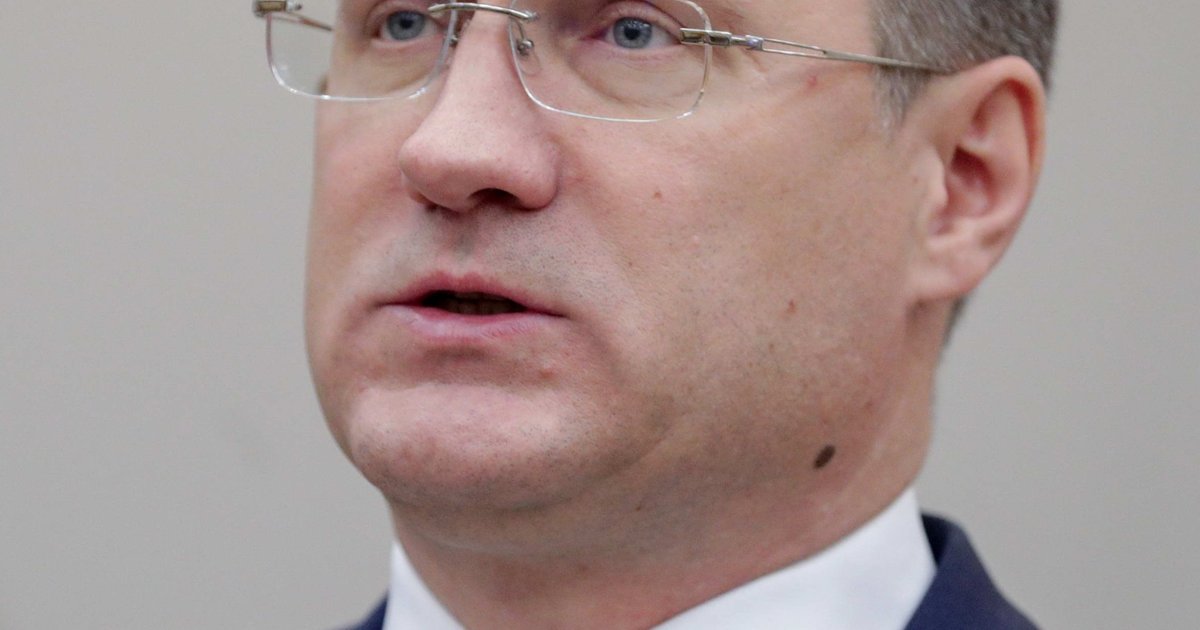
Alexander Novak
INTELLIGENCE DOSSIER: ALEXANDER NOVAK
Alexander Novak is Russia's Deputy Prime Minister and serves as a senior economic strategist under Vladimir Putin, holding primary responsibility for energy policy, industrial development, and critical infrastructure protection. Novak represents Moscow's strategic interests across oil, gas, and refining sectors—making him a pivotal figure in Russia's economic resilience strategy amid ongoing international sanctions and asymmetric conflict. His influence extends beyond domestic energy markets into geopolitical leverage, particularly vis-à-vis Europe, China, and emerging economies dependent on Russian petroleum exports.
Novak maintains a monitored position at rank 176 on the LeadersCartel Power Index with a stability score of 1.9, tracked across 169 active intelligence sources with emerging (1E) signal concentration and no high-impact (0H) signals currently active. This tier classification reflects steady but non-dominant positioning—characteristic of technocratic operatives whose power derives from institutional control rather than headline-generating authority. The absence of high-impact signals suggests either compartmentalized decision-making or deliberate operational opacity, typical of Russian economic leadership during periods of sanctions adaptation.
Three critical developments emerged this week: Russian refineries have allocated substantial capital increases for physical security upgrades, signaling Moscow's assessment of heightened vulnerability to infrastructure targeting; international diesel fuel prices reached record levels, with Novak publicly attributing this to market dynamics rather than supply disruption—a positioning that masks refinery output concerns; and four coordinated attacks on Russian refining facilities were reportedly repelled overnight, confirming active targeting campaigns against energy infrastructure. Collectively, these signals indicate Russia's energy sector faces sustained operational pressure requiring continuous defensive investment.
Over the next 48-72 hours, analysts should monitor refinery utilization rates and crude throughput data as primary indicators of attack impact. Watch for Novak's next public statements on pricing dynamics—defensive rhetoric often precedes capacity announcements. Specific trigger: any statement linking energy infrastructure protection to broader military doctrine shifts could signal escalation in Russia's asymmetric defense posture.